Computer Science
Algorithm
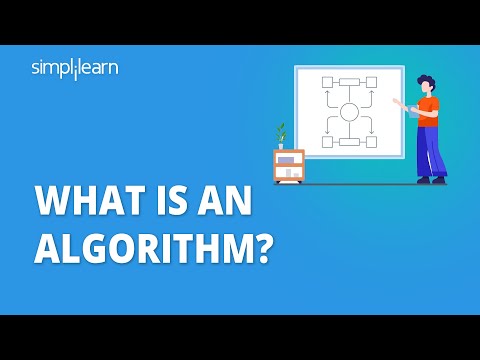
An algorithm is a finite sequence of rigorous, well-defined instructions, typically used to solve a class of specific problems or to perform a computation. Algorithms are used as specifications for performing calculations and data processing, and are a fundamental concept in mathematics and computer science.
Artificial Intelligence
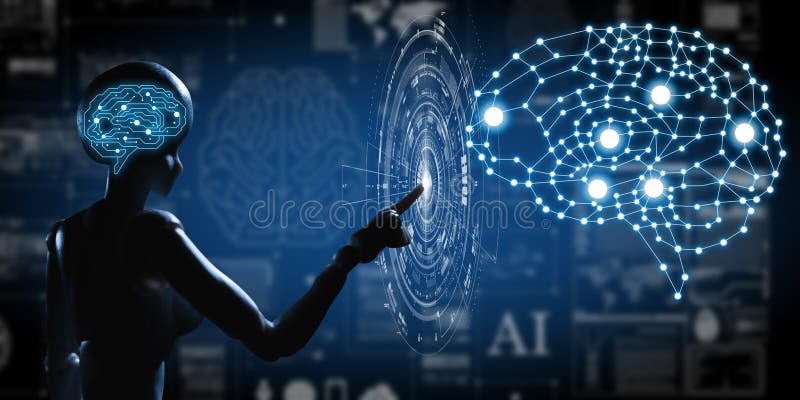
Artificial intelligence (AI) is the intelligence of machines or software, as opposed to the intelligence of human beings or animals. It is a field of computer science that develops and studies intelligent machines, with a primary goal of creating technology that allows computers and machines to function in an intelligent manner. Major AI sub-fields include machine learning, deep learning, natural language processing, and computer vision.

Computer science
Computer science is the academic discipline that studies computation, algorithms, and information processes in both theory and practice. Emerging as an independent field in the early 1960s, it encompasses subfields from theoretical foundations and programming languages to artificial intelligence, computer architecture, and human–computer interaction.

Computer vision
Computer vision is a field of artificial intelligence focused on enabling computers to interpret and infer meaning from images and video. It combines mathematical modeling, machine learning, and signal processing to accomplish tasks such as object recognition, detection, segmentation, tracking, and 3D reconstruction in domains ranging from medicine to robotics.

Cryptography
Cryptography is the practice and study of secure communication techniques that protect information from unauthorized access and ensure data integrity, confidentiality, and authenticity.

HTML
HyperText Markup Language (HTML) is the standard markup language for documents designed to be displayed in a web browser. It forms the basic structure of web pages and is a cornerstone technology of the World Wide Web, alongside CSS for presentation and JavaScript for interactivity.

Linux
Linux is a family of open-source Unix-like operating systems based on the Linux kernel, an operating system kernel first released on September 17, 1991, by Linus Torvalds. Linux is typically packaged in a Linux distribution, which includes the kernel and supporting system software and libraries. Because of its open-source nature, it has been adapted for a vast range of computer hardware, from personal computers and supercomputers to embedded systems and mobile devices like those running Android.

Natural language processing
Natural language processing (NLP) is a subfield of computer science and artificial intelligence concerned with enabling computers to process, generate, and analyze human language in text and speech. It integrates computational linguistics, statistics, and machine learning—especially deep learning—to build systems for tasks such as translation, question answering, summarization, and information extraction.
Neural Networks
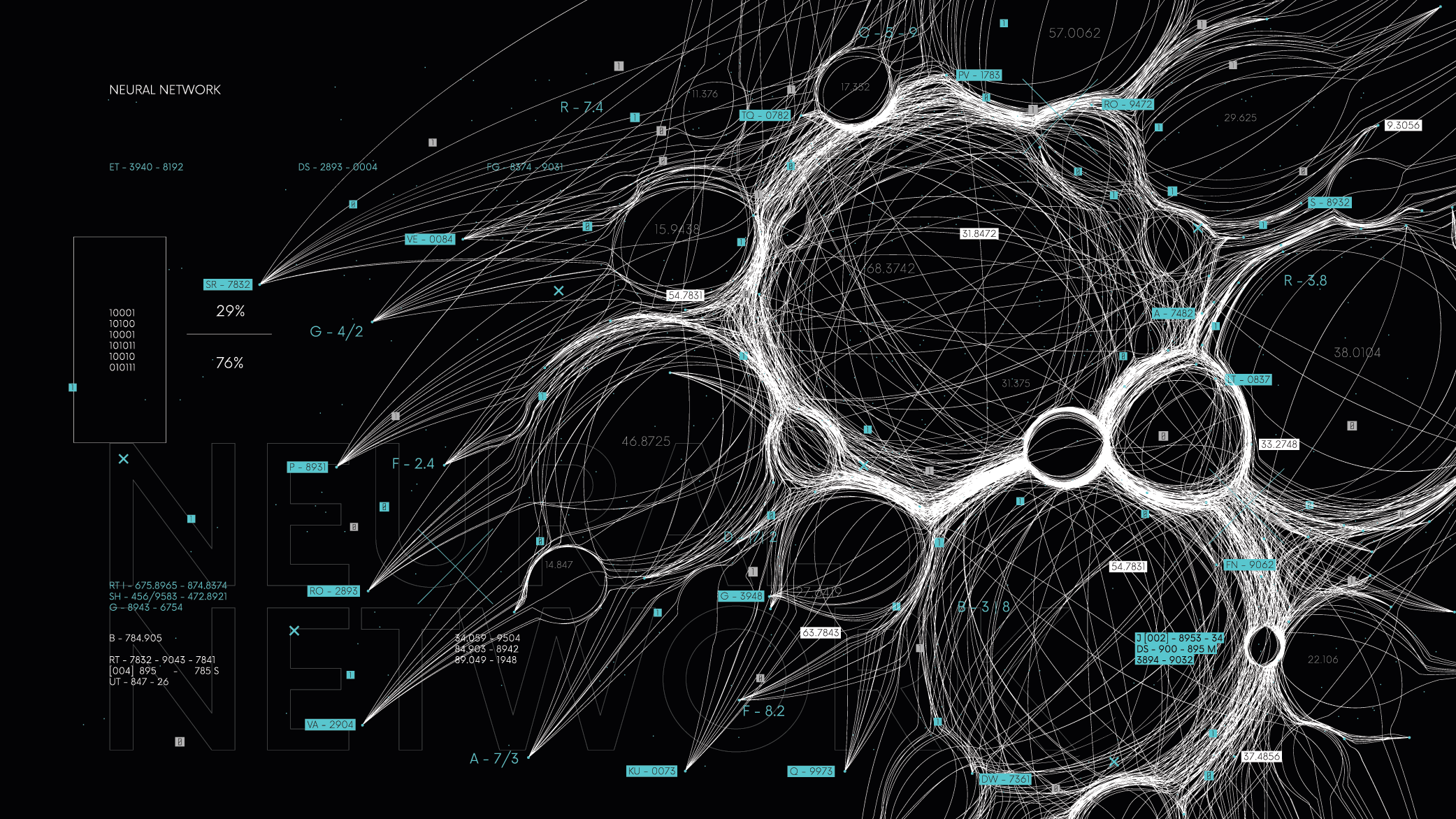
Neural networks are computational models inspired by the human brain, designed to recognize patterns and solve complex problems across various domains, including image and speech recognition, natural language processing, and autonomous systems.