Origins and Development
Overwater bungalows trace their origins to the 1960s in French Polynesia. In 1967, three American entrepreneurs, Jay Carlisle, Hugh Kelley, and Donald McCallum, known as the "Bali Hai Boys," constructed the first overwater bungalows at their resort on the island of Moorea. Inspired by traditional Tahitian fishing huts, these structures were built on stilts over the lagoon, providing guests with direct access to the water and unobstructed views of the surrounding seascape. The concept quickly gained popularity, leading to the proliferation of overwater accommodations throughout the region. Source Name
Architectural Features
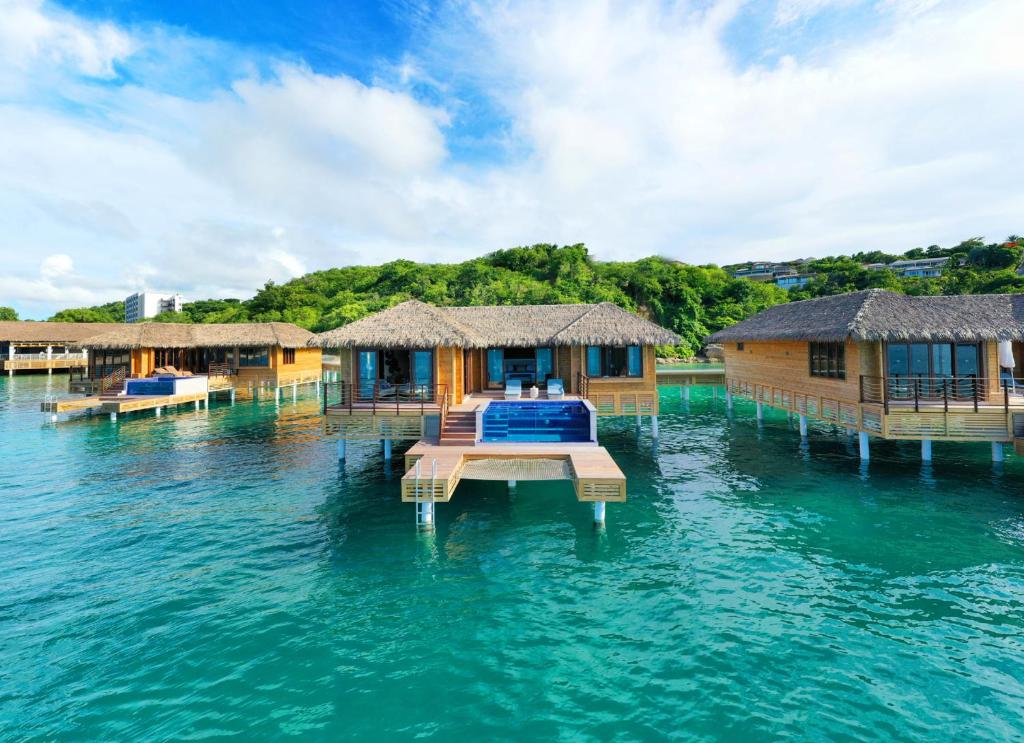
Typically constructed using local materials such as thatched palm roofs and wooden stilts, overwater bungalows are designed to blend seamlessly with their natural surroundings. Many feature glass floor panels, often referred to as "Tahitian television," allowing guests to observe marine life beneath their feet. Private decks, direct water access, and open-air showers are common amenities that enhance the immersive experience. Source Name
Global Expansion
Following their success in French Polynesia, the concept of overwater bungalows spread to other tropical destinations. The Maldives, for instance, has become renowned for its extensive array of overwater accommodations, with resorts like the Four Seasons Resort Bora Bora offering luxurious villas perched above crystal-clear lagoons. Source Name
In the Caribbean, resorts such as Sandals South Coast in Jamaica have introduced overwater suites, providing guests with direct access to the sea and panoramic views. Source Name
Notable Resorts
- –
Hotel Bora Bora: Established in 1970, this resort was among the first to feature overwater bungalows in Bora Bora, setting a precedent for future developments in the region.
Source Name
- –
The Muraka, Conrad Maldives: Opened in 2018, The Muraka is the world's first underwater hotel suite, offering a unique experience with its underwater bedroom and living space.
- –
Song Saa Private Island, Cambodia: Located in the Koh Rong Archipelago, this eco-friendly resort features overwater villas constructed from reclaimed materials, emphasizing sustainability and luxury.
Source Name
Cultural and Economic Impact
The introduction of overwater bungalows has significantly influenced the tourism industry in tropical regions. These accommodations have become emblematic of luxury travel, attracting visitors seeking exclusive and immersive experiences. Economically, they have contributed to the growth of local economies by creating employment opportunities and promoting cultural exchange. However, the construction and operation of overwater bungalows also raise environmental considerations, necessitating sustainable practices to preserve delicate marine ecosystems.
Environmental Considerations
The construction and maintenance of overwater bungalows can impact marine environments, including coral reefs and aquatic life. Resorts are increasingly adopting sustainable practices, such as using eco-friendly materials, implementing waste management systems, and supporting local conservation efforts. For example, Bawah Reserve in Indonesia emphasizes conservation by preserving marine life and coral reefs, as well as implementing low-impact waste management and community welfare programs. Source Name
Conclusion
Overwater bungalows have evolved from their modest beginnings in the 1960s to become icons of luxury travel. Their unique design and direct connection to the marine environment offer guests an unparalleled experience. As their popularity continues to grow, the emphasis on sustainable development and environmental stewardship remains crucial to ensure the preservation of the natural beauty that makes these accommodations so desirable.