Anthropology
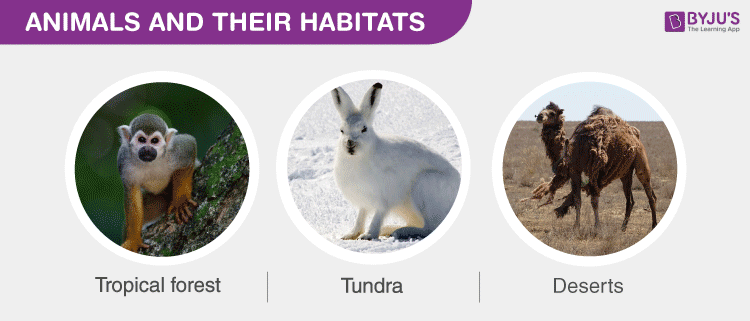
Adaptation
Adaptation is a cross‑disciplinary concept describing how organisms, cultures, and artworks adjust to environments, contexts, or media. In biology it denotes traits shaped by natural selection; in social sciences it concerns adjustments of human systems; in the arts it refers to transforming works across media.

Anthropology
Anthropology is the comparative study of humans across time and space, encompassing human biology and evolution, culture and society, language, and material remains. In the United States it is commonly organized into four major subfields—cultural/social anthropology, archaeology, biological (physical) anthropology, and linguistic anthropology—reflecting a holistic approach to the 'science of humanity.'
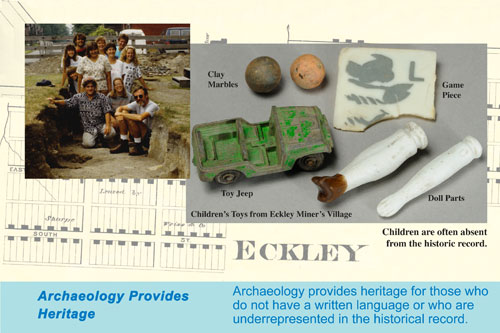
Archaeology
Archaeology is the scientific study of material remains from past human life and activities, encompassing artifacts, structures, and biofacts to understand historical and prehistoric cultures.
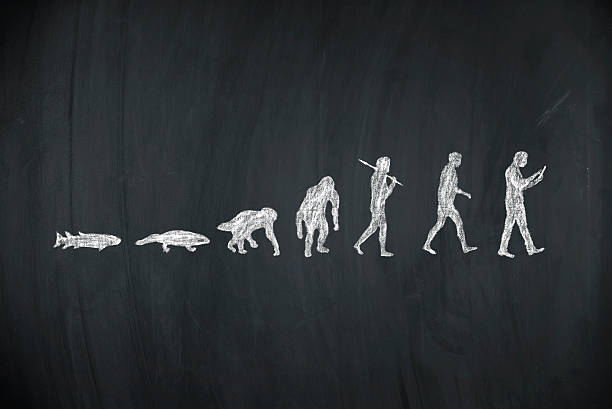
Human Evolution
Human evolution is the lengthy process through which modern humans developed from early hominins over approximately six million years, characterized by significant anatomical and behavioral changes.

Religion
Religion comprises systems of beliefs, practices, symbols, and institutions that relate humans to what is taken as ultimate, sacred, or superempirical. It spans diverse traditions—monotheistic, polytheistic, and non-theistic—and has been central to social organization, moral orders, and cultural transmission across history and societies worldwide.

Ritual
Ritual is a structured, symbolically charged sequence of actions performed according to prescribed rules, found in religious, civic, and everyday contexts across all known human societies. Scholars in anthropology, sociology, religious studies, psychology, and ethology analyze rituals’ forms, functions, and effects—ranging from social cohesion and identity formation to emotional regulation and communication.
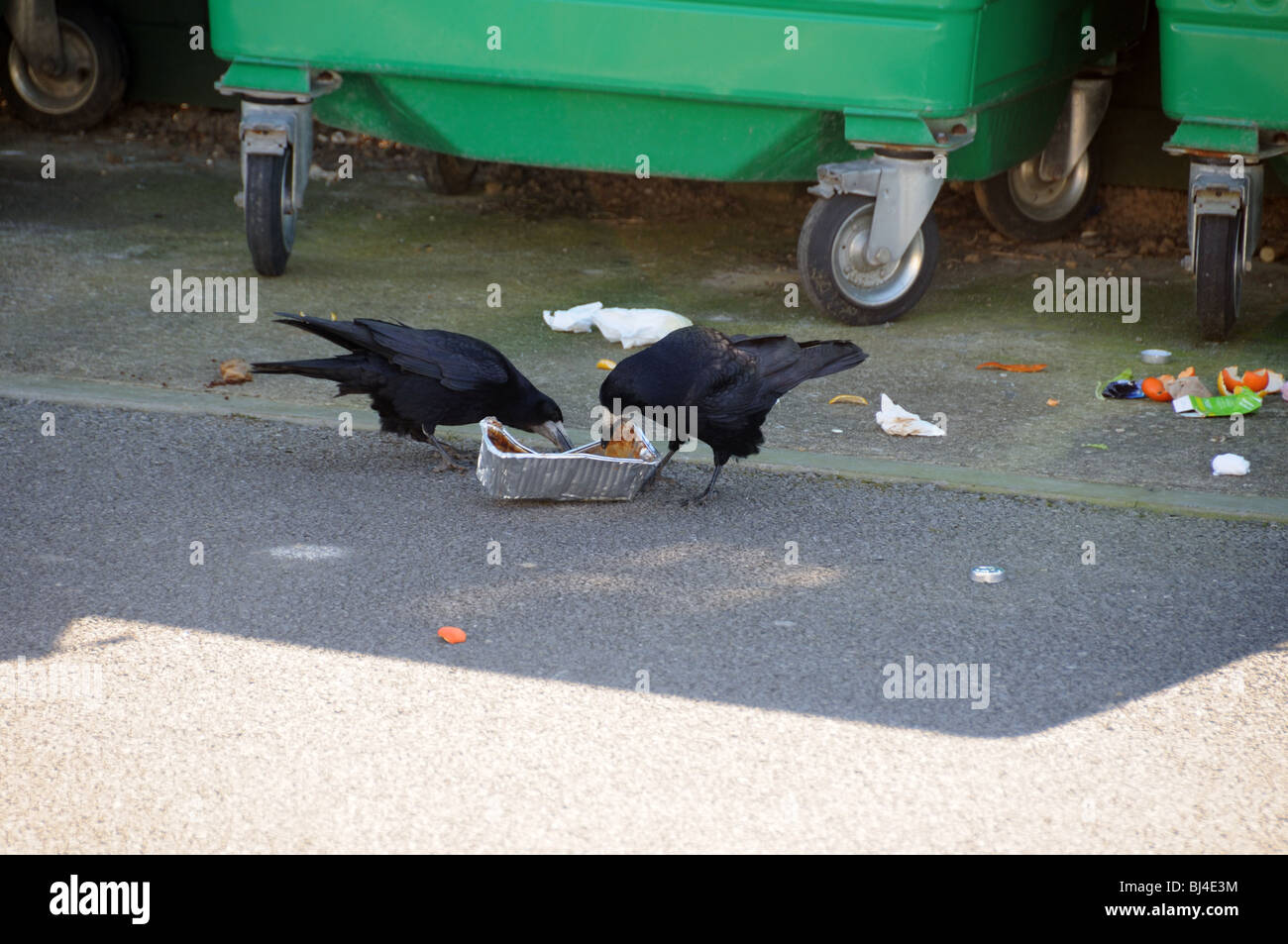
Scavenging
Scavenging is the consumption of dead organic matter, particularly animal carrion, by a range of obligate and facultative species; it provides vital ecosystem services such as nutrient recycling and disease regulation, and influences human societies through waste management and cultural practices.