Art History

High Renaissance
The High Renaissance was a brief period of exceptional artistic achievement in Italy from the early 1490s to 1527, centered in Rome, Florence, and Venice. It is associated with harmoniously balanced compositions, idealized forms, and technical mastery in painting, sculpture, and architecture by figures such as Leonardo da Vinci, Michelangelo, Raphael, and Bramante. Many scholars conventionally mark its close with the Sack of Rome on May 6, 1527, and the subsequent diffusion of artists and rise of Mannerism. Authoritative sources emphasize both its historical specificity and later debates about its scope and periodization.
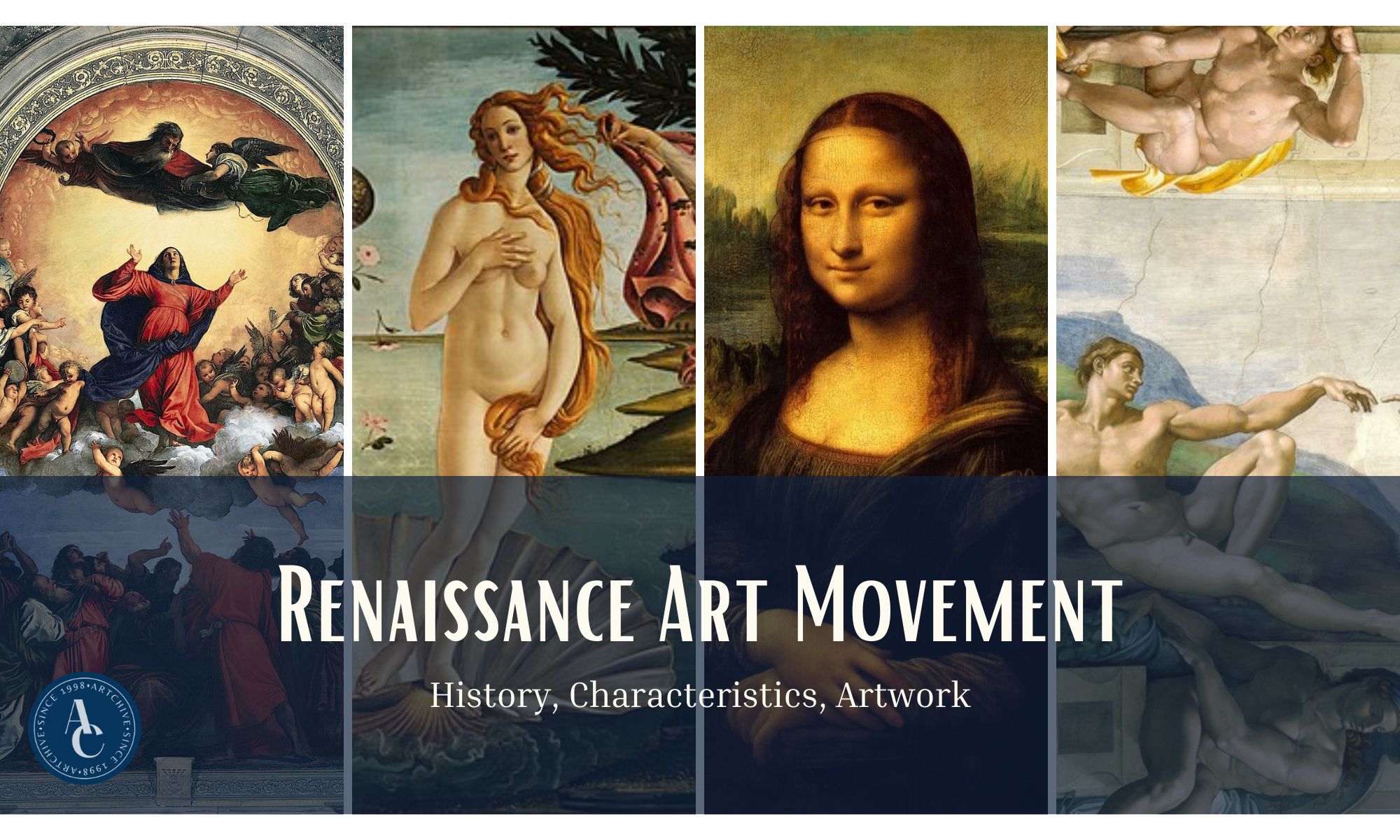
Renaissance Art
Renaissance art, spanning the 14th to 17th centuries, marked a revival of classical learning and aesthetics, emphasizing naturalism, perspective, and humanism. This period produced masterpieces by artists such as Leonardo da Vinci, Michelangelo, and Raphael, profoundly influencing Western art history.