Cave Geology
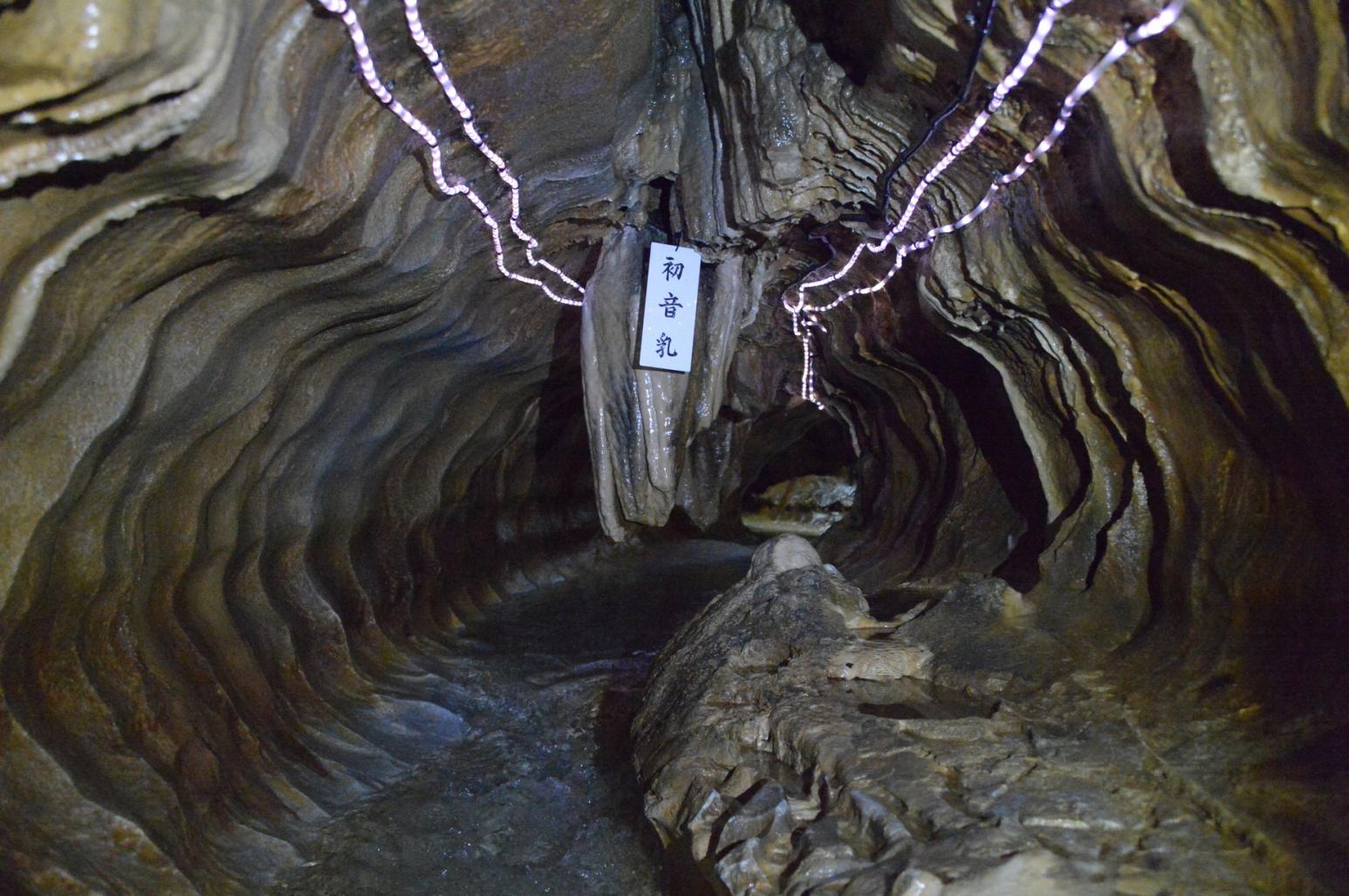
Limestone cave
A limestone cave is a natural subterranean void formed primarily by the chemical dissolution of limestone (calcium carbonate) by weakly acidic groundwater, producing characteristic networks of passages, chambers, and speleothems. Limestone caves are the most common type of solution cave and are fundamental features of karst landscapes, with major examples including Mammoth Cave in Kentucky and the Škocjan Caves in Slovenia.
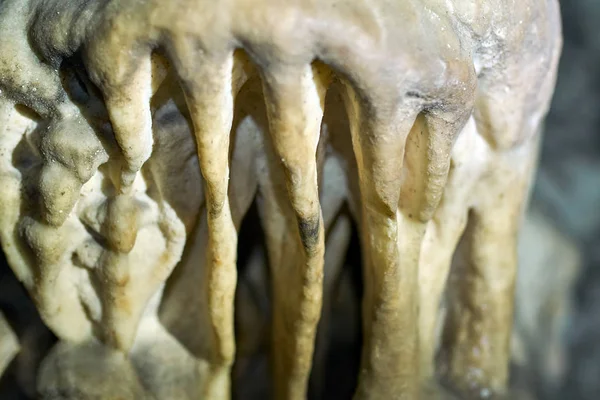
Speleothem
A speleothem is a secondary mineral deposit that forms in natural caves, most commonly composed of calcium carbonate precipitated from dripping, seeping, or pooling water. Varied forms include stalactites, stalagmites, flowstone, helictites, and cave pearls, which record environmental conditions and often serve as precisely datable archives of past climate.