Environmental Policy
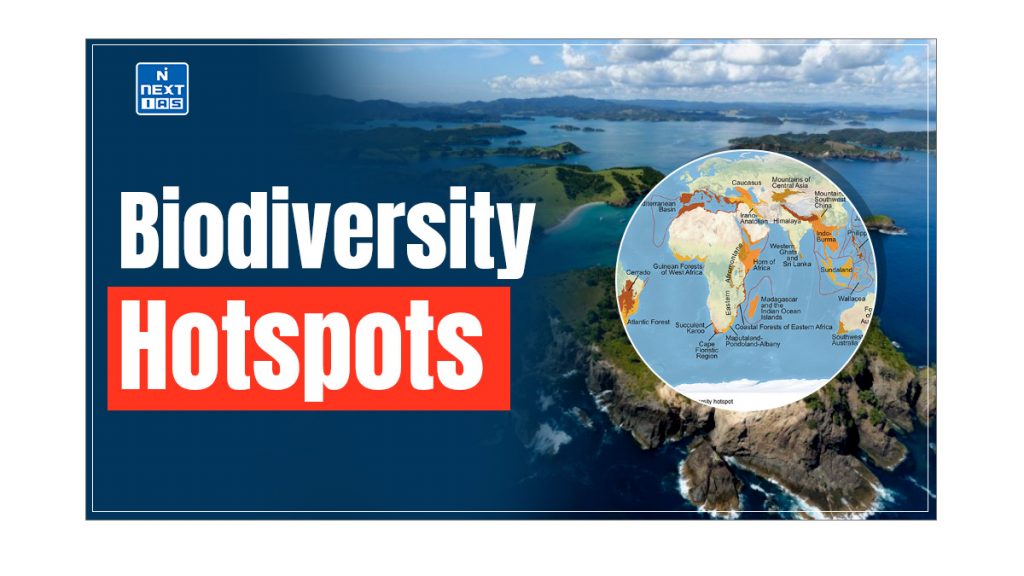
Biodiversity hotspot
A biodiversity hotspot is a conservation-prioritization concept denoting terrestrial regions with exceptional concentrations of endemic plant species that have experienced extensive habitat loss. First proposed by Norman Myers in 1988 and formalized in 2000, the framework guides funding and planning by identifying 36 global areas that together hold a large share of Earth’s endemic plants and terrestrial vertebrates within a small fraction of land area.

IUCN Red List
The IUCN Red List of Threatened Species is a global inventory assessing extinction risk, founded in 1964 and maintained by the International Union for Conservation of Nature. It provides standardized categories, quantitative criteria, and up‑to‑date assessments for over 172,600 species worldwide.