European Intellectual History

Enlightenment
The Enlightenment was an intellectual and cultural movement that took shape in Europe from the late 17th to the late 18th century, emphasizing reason, empirical inquiry, individual rights, and secular governance [Encyclopaedia Britannica](https://www.britannica.com/event/Enlightenment-European-history). Its ideas drew on the [Scientific Revolution] and influenced political change including the American and French Revolutions, while also provoking religious debates about deism and tolerance [Encyclopaedia Britannica](https://www.britannica.com/topic/history-of-Europe/The-Enlightenment) and [Stanford Encyclopedia of Philosophy](https://plato.stanford.edu/entries/enlightenment/). The term “Enlightenment” is also used in religious contexts to denote spiritual awakening, notably bodhi in Buddhism and moksha in Indian traditions [Encyclopaedia Britannica](https://www.britannica.com/topic/bodhi-Buddhism) and [Encyclopaedia Britannica](https://www.britannica.com/topic/moksha-Indian-religion).
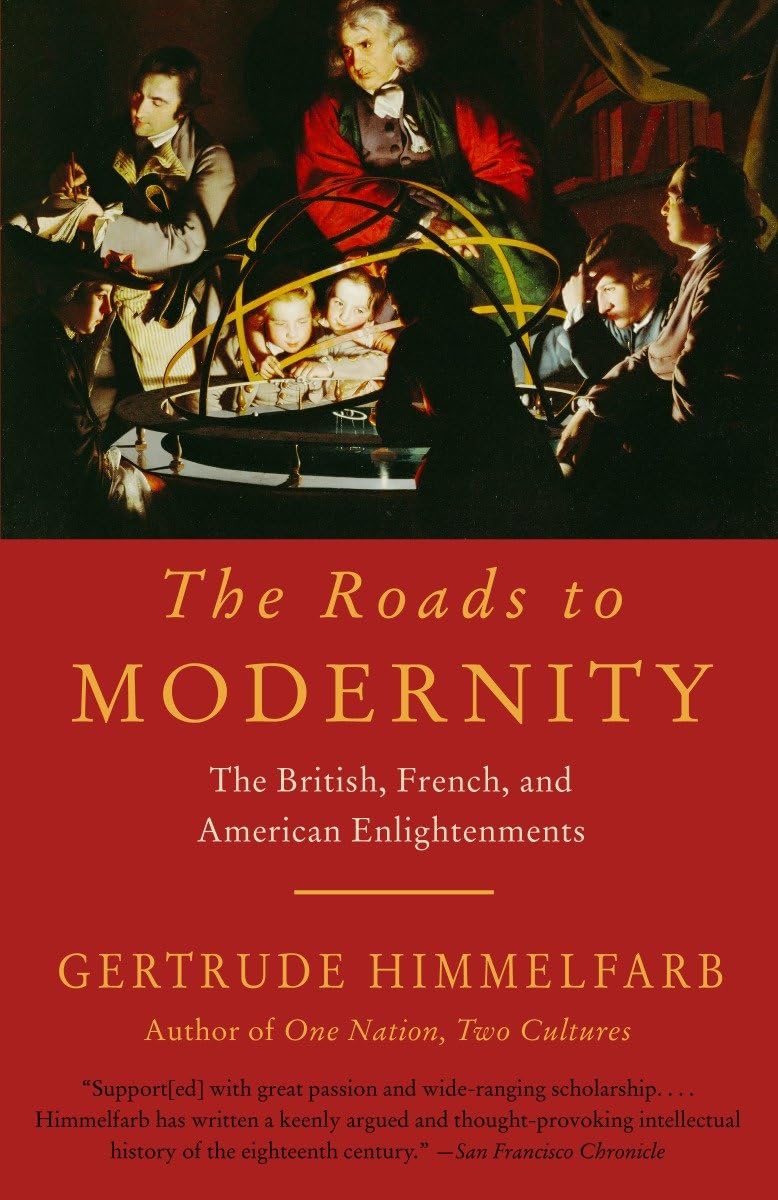
The Enlightenment
The Enlightenment, also known as the Age of Reason, was a European intellectual movement of the late 17th and 18th centuries that emphasized the use and celebration of reason, scientific inquiry, skepticism of authority, and visions of political and social reform. Originating in dialogue with the Scientific Revolution and spreading through print culture, salons, academies, and a transnational 'Republic of Letters,' it influenced revolutions, constitutionalism, religious toleration, economics, and modern conceptions of rights.