Geomorphology

Lahar
A lahar is a rapidly flowing mixture of water and volcanic debris that moves down volcano slopes and river valleys, capable of long runouts and severe destruction. Lahars may form during eruptions or years later and are monitored with specialized detection systems because of their high hazard.
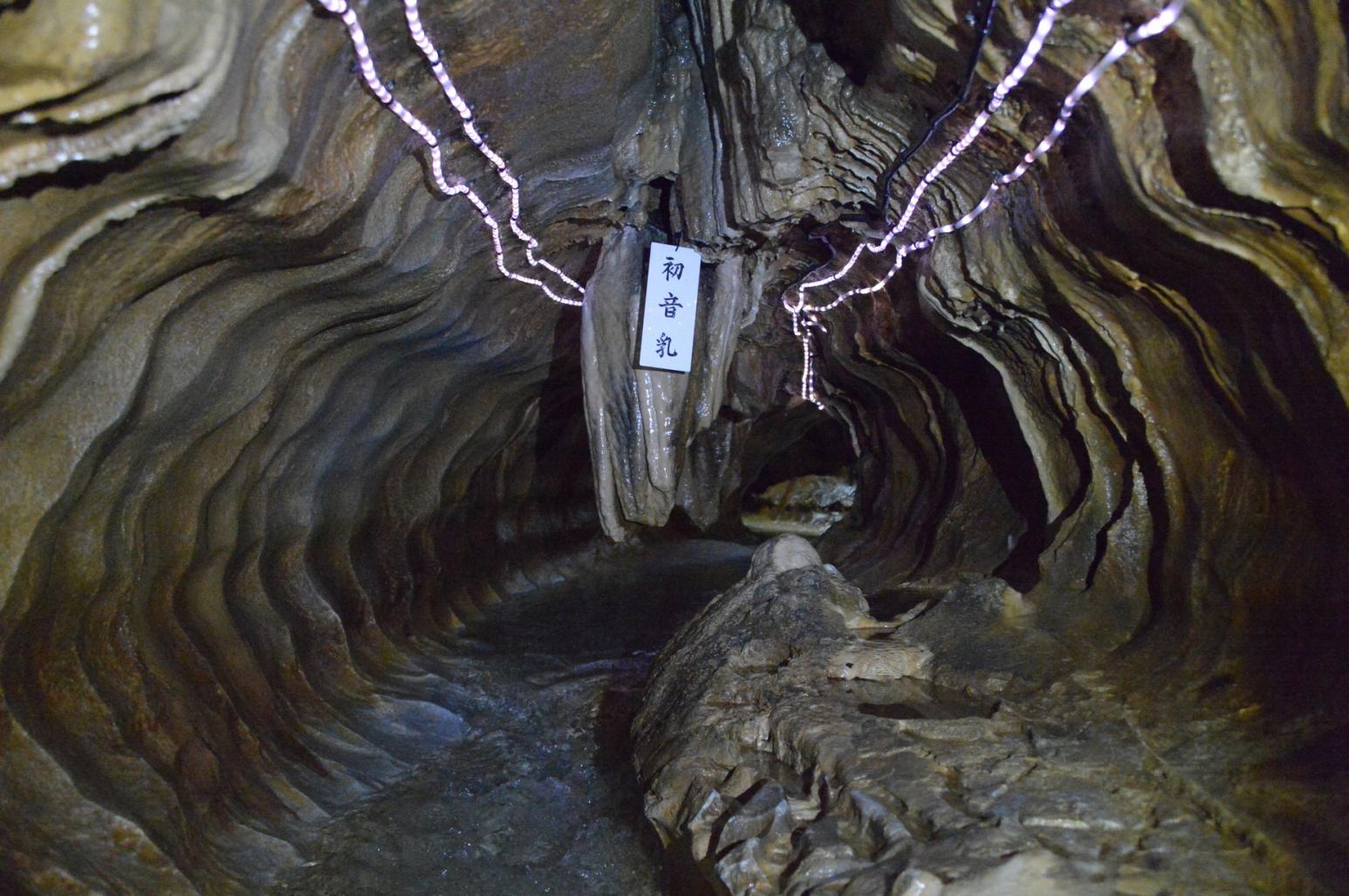
Limestone cave
A limestone cave is a natural subterranean void formed primarily by the chemical dissolution of limestone (calcium carbonate) by weakly acidic groundwater, producing characteristic networks of passages, chambers, and speleothems. Limestone caves are the most common type of solution cave and are fundamental features of karst landscapes, with major examples including Mammoth Cave in Kentucky and the Škocjan Caves in Slovenia.

Mesa (landform)
A mesa is an elevated, flat-topped landform with steep sides, produced by differential erosion that leaves a resistant caprock protecting softer strata beneath. Mesas are especially common in arid and semiarid regions such as the Colorado Plateau of the southwestern United States and often evolve from broader plateaus into smaller buttes as escarpments retreat. The term derives from the Spanish word for table and is used in geomorphology to distinguish these isolated tablelands from larger plateaus and smaller buttes.