Italian History
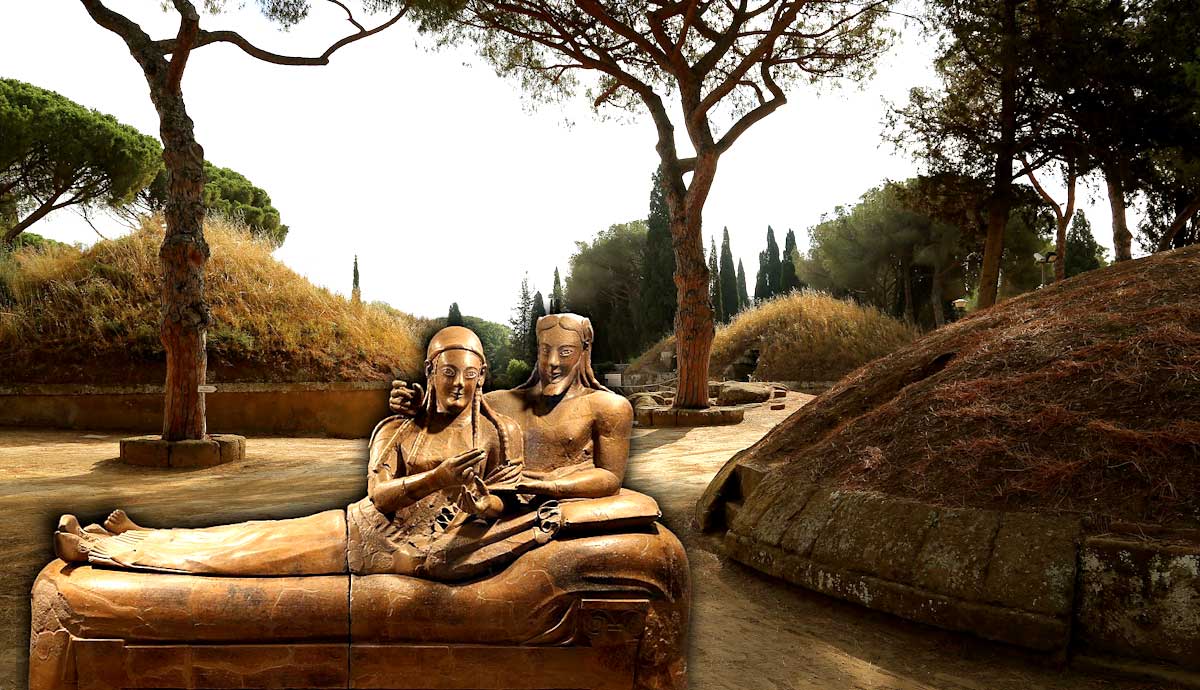
Etruscans
The Etruscans were an ancient Italic people whose urban civilization flourished in central Italy from roughly the 9th to the 1st century BCE. Speaking a non-Indo-European language and organized in autonomous city-states, they developed distinctive art, religion, and political institutions that strongly influenced neighboring Rome. Their culture was progressively absorbed into the Roman Republic by the late first millennium BCE, yet remains visible in monuments, religious practice, and symbols adopted by Romans.

Renaissance
The Renaissance was a fervent period of European cultural, artistic, political, and economic rebirth following the Middle Ages. Generally described as taking place from the 14th century to the 17th century, the Renaissance promoted the rediscovery of classical philosophy, literature, and art, leading to profound changes in intellectual inquiry, artistic techniques, and global exploration.
.jpg)
Roman Inquisition
The Roman Inquisition was the system of tribunals established by Pope Paul III in 1542 to combat heresy and police doctrine in the Papal States and much of the Italian peninsula. Administered by the Supreme Sacred Congregation of the Roman and Universal Inquisition (later the Holy Office), it oversaw heresy trials, censored books, and shaped Catholic reform during the Counter-Reformation; its institutional successor today is the Dicastery for the Doctrine of the Faith.