Molecular Biology

Major histocompatibility complex
The major histocompatibility complex (MHC) is a multigene region in jawed vertebrates that encodes cell-surface glycoproteins central to antigen presentation and T-cell recognition. In humans, the MHC is termed the Human Leukocyte Antigen (HLA) system and resides on chromosome 6p21, encompassing class I, class II, and class III gene clusters that govern adaptive immunity, natural killer cell regulation, and complement components. Extensive polymorphism across classical HLA loci underlies interindividual variation in immune responses, disease associations, and transplantation compatibility.
Receptor for Advanced Glycation End Products
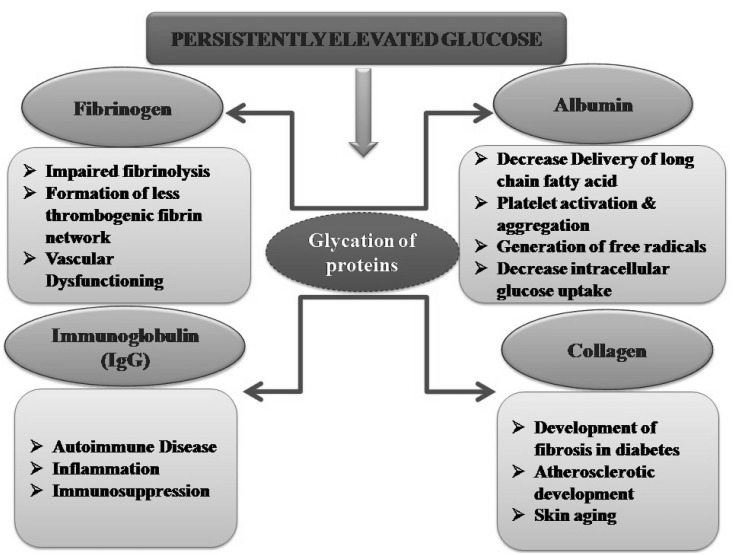
The Receptor for Advanced Glycation End Products (RAGE) is a multiligand cell-surface receptor of the immunoglobulin superfamily encoded by the AGER gene on human chromosome 6p21.3 within the major histocompatibility complex. It binds diverse damage-associated ligands, including advanced glycation end-products, S100 proteins, HMGB1, amyloid-β, and nucleic acids, and activates pro‑inflammatory signaling pathways implicated in chronic disease.