Observational Astronomy
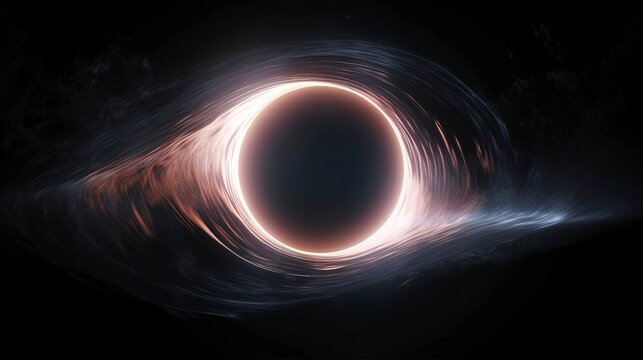
Black hole
A black hole is a region of spacetime where gravity is so intense that nothing—not even light—can escape. Predicted by general relativity and supported by extensive observations, black holes span a wide range of masses from stellar remnants to supermassive objects at galactic centers. Direct imaging, stellar dynamics, X-ray observations, and gravitational-wave detections provide multiple, independent lines of evidence for their existence.
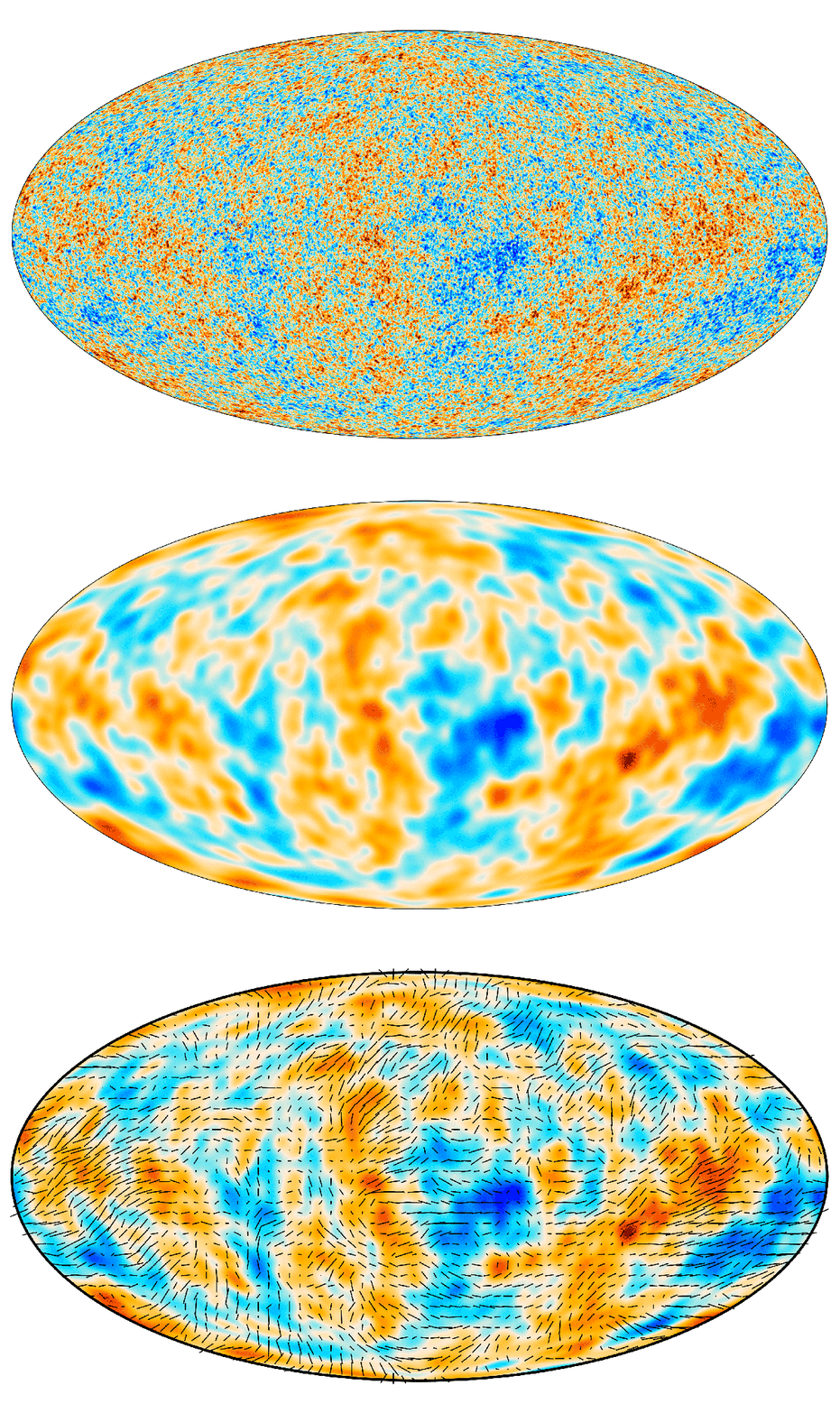
Cosmic microwave background
The cosmic microwave background (CMB) is the near-uniform relic radiation from the hot early universe, now observed as a 2.7 K blackbody glow permeating all directions. Tiny temperature and polarization anisotropies in the CMB encode precise information about the universe’s contents, geometry, and early physics, measured most notably by the COBE, WMAP, and Planck space missions.

Dark energy
Dark energy is the dominant component of the universe’s energy budget and the driver of its accelerated expansion, inferred from astronomical observations in the late 1990s. In the standard ΛCDM cosmological model it contributes roughly 68–70% of the total cosmic energy density and behaves like a component with negative pressure, closely approximated by a cosmological constant with equation-of-state parameter w ≈ −1. Despite extensive observational constraints, its physical nature remains unknown.