Ocean Worlds
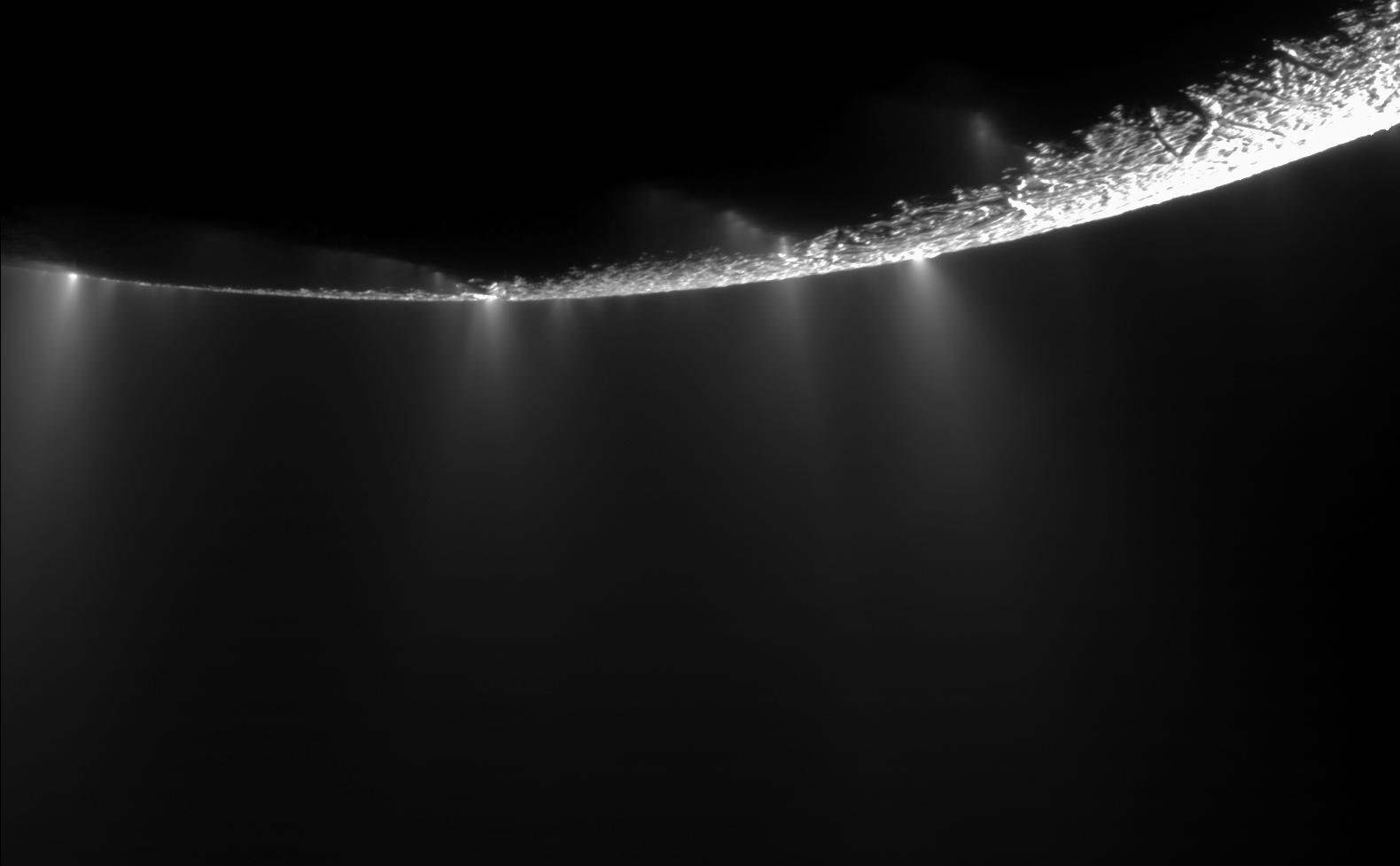
Enceladus
Enceladus is a small, highly reflective icy moon of Saturn, about 504–505 km across, noted for active cryovolcanic plumes that vent material from a global subsurface ocean. Discovered in 1789 by William Herschel, it orbits Saturn every 32.9 hours in a 2:1 resonance with Dione, a configuration that helps sustain internal tidal heating and geological activity.
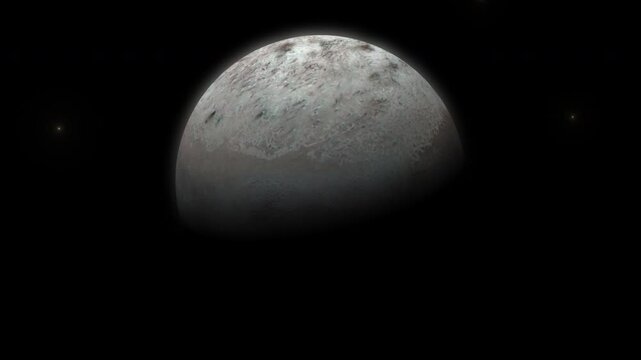
Triton (moon)
Triton is the largest moon of Neptune and the only large satellite in the Solar System with a retrograde orbit, indicating capture rather than in‑situ formation. Discovered on October 10, 1846 by William Lassell, Triton is an icy world with a thin nitrogen atmosphere, active geysers observed by Voyager 2 in 1989, and surface terrains suggesting ongoing cryovolcanic and tectonic processes.