Oceanography
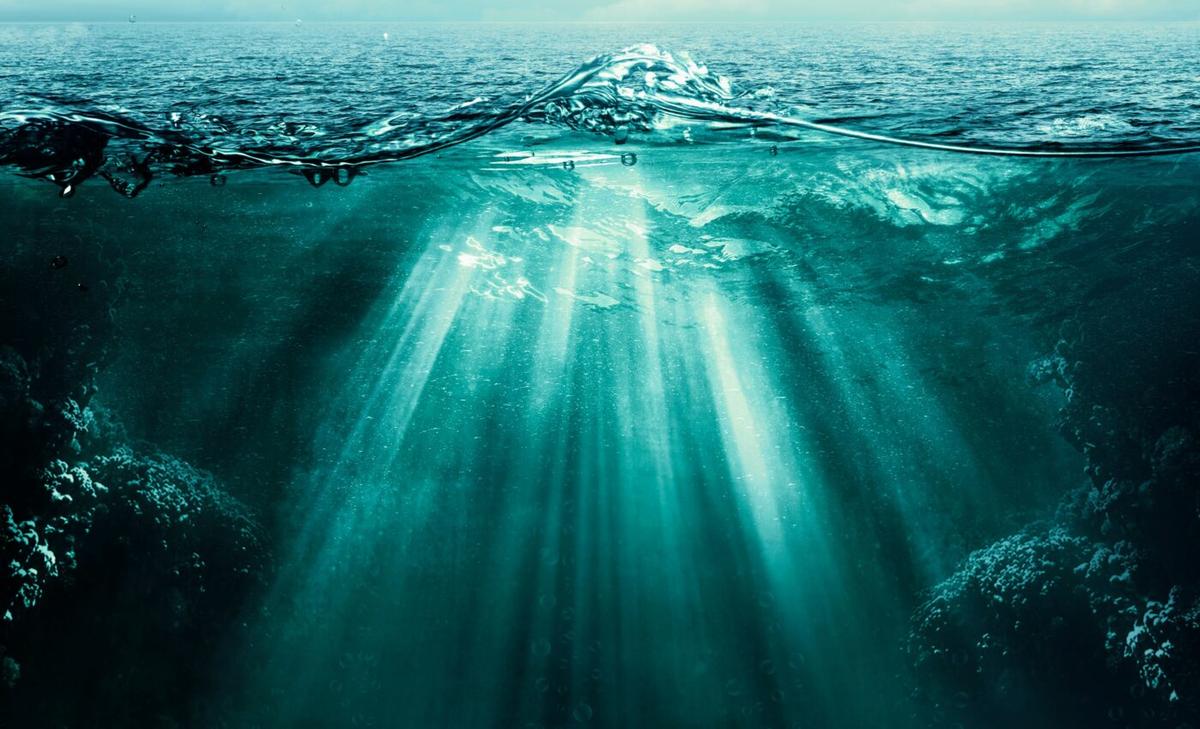
Deep Sea Vents
Deep sea vents, also known as hydrothermal vents, are fissures on the ocean floor that emit heated, mineral-rich water, supporting unique ecosystems independent of sunlight.
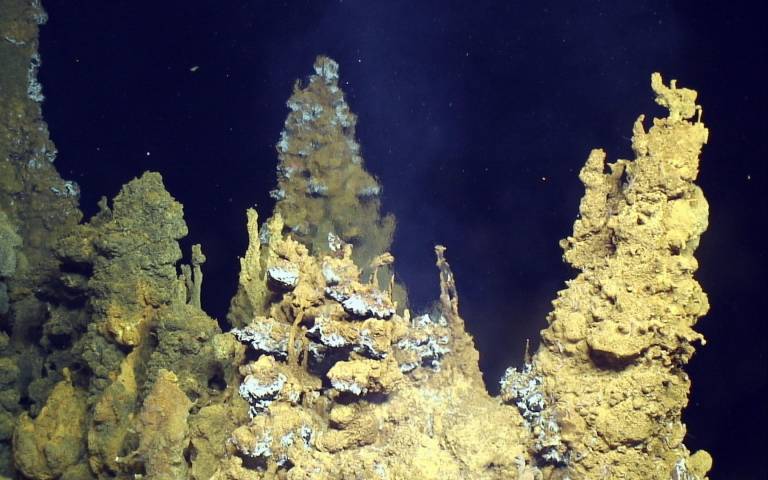
Deep-sea hydrothermal vent
A deep-sea hydrothermal vent is a seafloor hot spring formed where seawater circulates through oceanic crust, is heated and chemically modified, and re-emerges at temperatures that can exceed 400 °C under high pressure. First observed near the Galápagos Rift in 1977, these systems occur at mid-ocean ridges, volcanic arcs, and back-arc basins and sustain unique chemosynthesis-based ecosystems independent of sunlight.
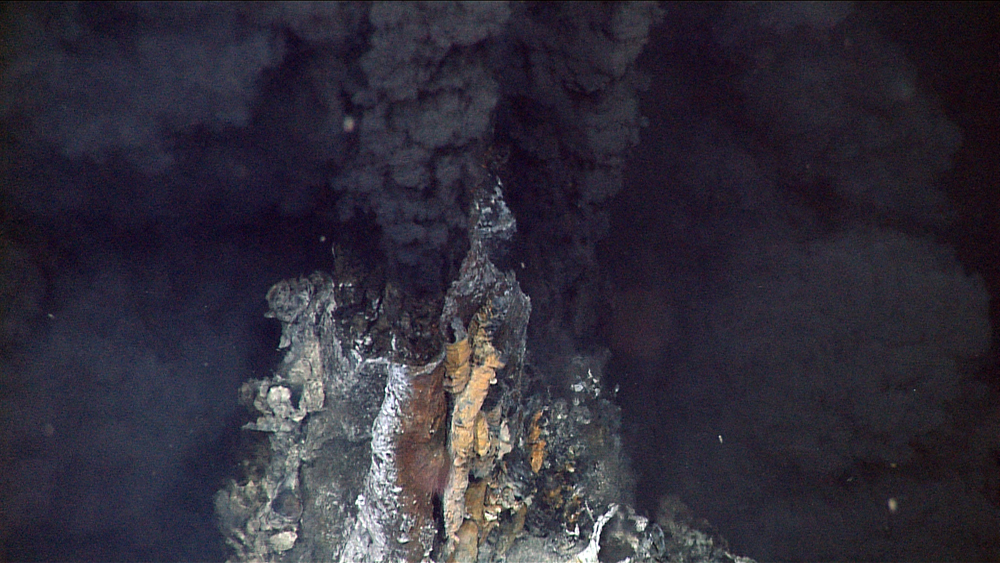
Hydrothermal vent
A hydrothermal vent is a seafloor hot spring where seawater circulates through the oceanic crust, becomes heated and chemically altered by underlying magma, and reemerges carrying dissolved minerals that precipitate to form chimney-like structures. These sites, common along mid-ocean ridges and back-arc basins, host dense deep-sea ecosystems based on chemosynthesis rather than sunlight, and are central to studies of geochemistry, mineral deposition, and the origins of life.
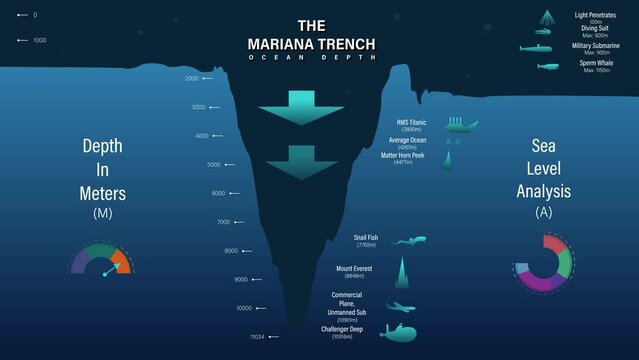
Mariana Trench
The Mariana Trench is the deepest known oceanic trench on Earth, located in the western Pacific Ocean east of the Mariana Islands. Its maximum measured depths in the Challenger Deep are around 10,924–10,935 meters below sea level, and the trench extends for more than 2,500 kilometers in length. It formed where the Pacific Plate subducts beneath the Philippine Sea Plate and includes diverse geological features, unique hadal ecosystems, and areas protected within the U.S. Mariana Trench Marine National Monument.

Sea Level Rise
Sea level rise is the long-term increase in global mean sea level driven primarily by ocean warming and land ice loss. Observed rates have accelerated in recent decades, and future rise is projected for centuries under all emissions scenarios, posing extensive risks to coastal systems and low‑lying communities worldwide.

Thermohaline circulation
Thermohaline circulation (THC) is the global-scale component of ocean circulation driven by density gradients set by seawater temperature and salinity. It links surface and deep layers through high‑latitude sinking and widespread upwelling, transporting heat, freshwater, nutrients, and carbon and shaping regional and global climate. Modern observing arrays and paleoclimate evidence show its variability across years to millennia, with a very likely weakening projected under continued warming.

Tsunami
A tsunami is a series of long-wavelength ocean waves caused by large, abrupt displacement of water, most often from undersea earthquakes at subduction zones. Traveling across entire ocean basins at jet-plane speeds in deep water, tsunamis grow dramatically in height near coasts, producing destructive inundation and currents. Modern detection and warning systems combine seismic networks, deep-ocean pressure buoys, coastal tide gauges, and international coordination to reduce loss of life. The deadliest recorded tsunami followed the 2004 Indian Ocean earthquake, with roughly 228,000 fatalities across multiple countries.