Philosophy

Humanism
Humanism is a family of intellectual, ethical, and cultural outlooks that center human needs, agency, and dignity, ranging from the philological and educational movement of Renaissance Europe to contemporary secular and religious life‑stances. In modern usage it denotes a naturalistic, reason‑guided approach to knowledge and morality, while historically it referred to the studia humanitatis—grammar, rhetoric, poetry, history, and moral philosophy—revived from Classical antiquity.

Pascal's Wager
Pascal's Wager is a philosophical argument presented by French mathematician and philosopher Blaise Pascal in the 17th century, advocating for belief in God based on pragmatic reasoning.
Philosophy
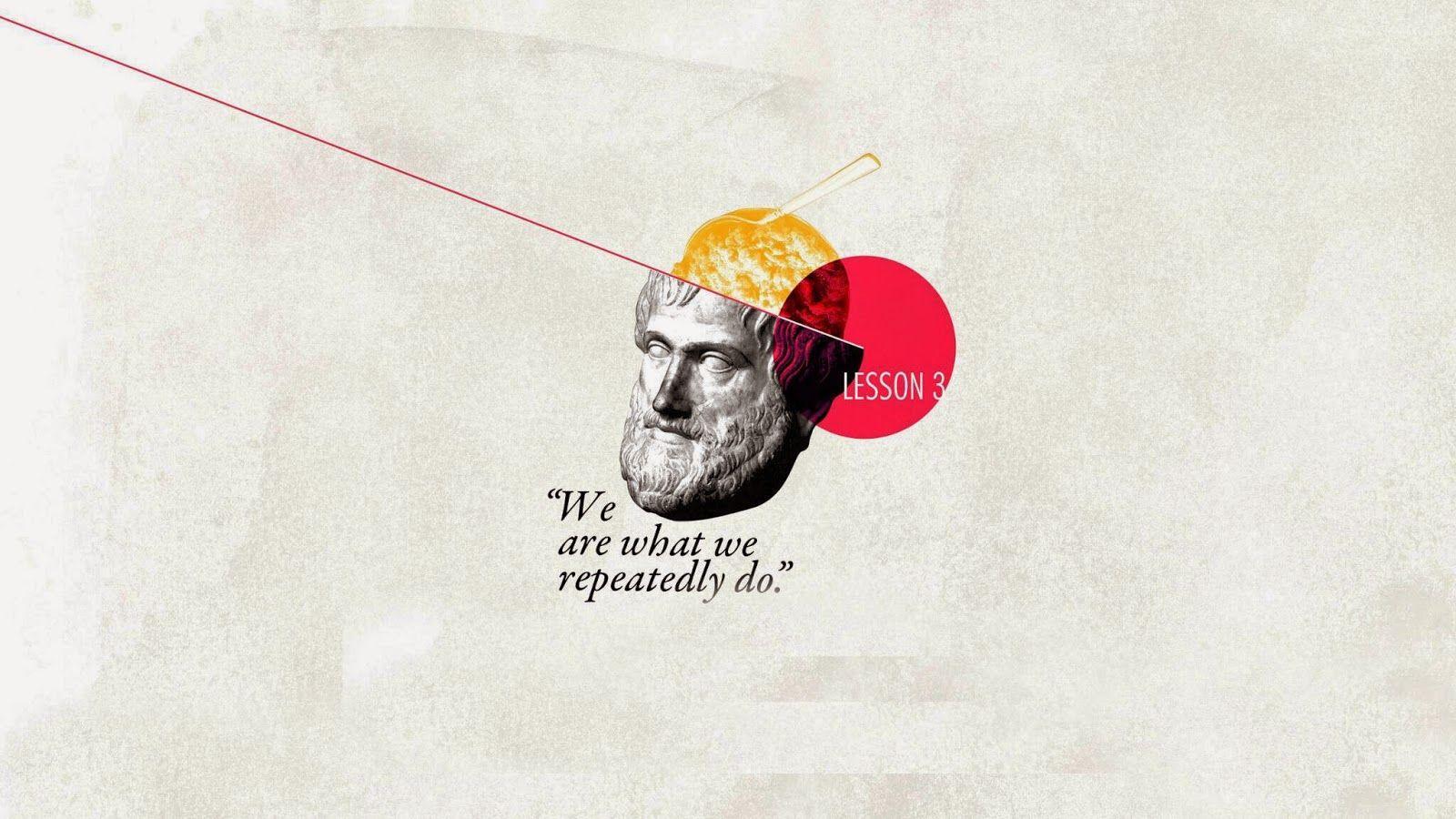
Philosophy is a global intellectual discipline concerned with fundamental questions about reality, knowledge, value, mind, and reasoning. The term derives from the Greek philosophia, “love of wisdom,” and encompasses diverse traditions, branches, and methods developed across civilizations, including ancient Greece, China, India, and later the Islamic world and medieval Europe.