Planets
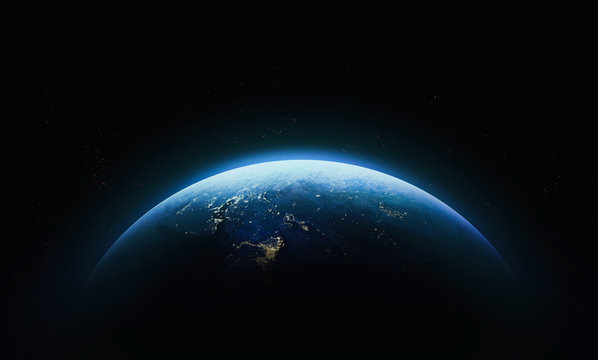
Earth
Earth is the third planet from the Sun and the only astronomical body known to host life. A differentiated terrestrial world with active plate tectonics, abundant surface water, and a protective atmosphere and magnetosphere, it formed about 4.54 billion years ago. Its oceans cover roughly 71% of the surface, and the atmosphere is dominated by nitrogen and oxygen, with rising trace greenhouse gases shaping modern climate.
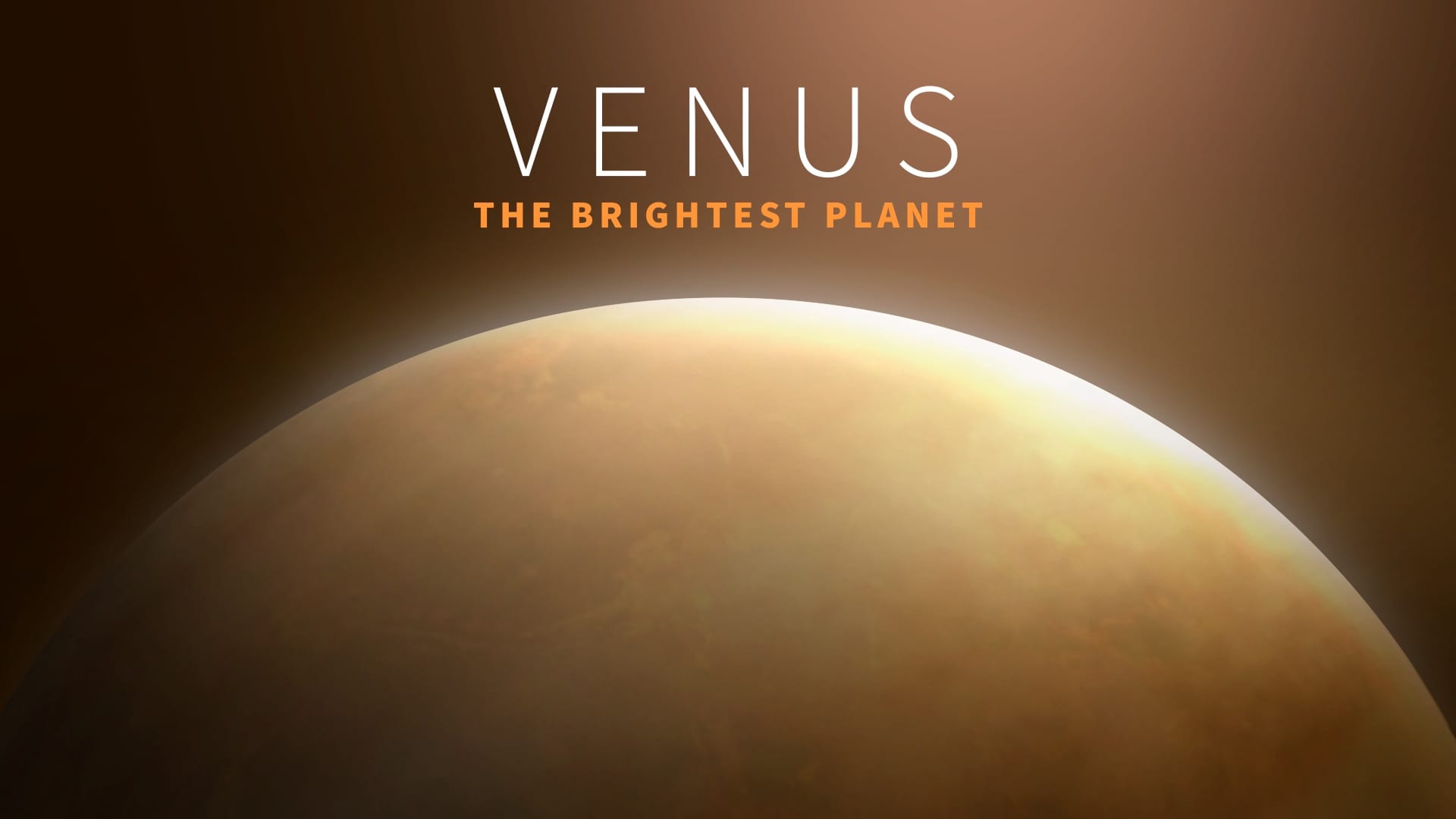
Venus
Venus is the second planet from the Sun and Earth’s closest planetary neighbor, a cloud‑shrouded terrestrial world of extreme heat and pressure with a dense carbon dioxide atmosphere. Similar in size and bulk composition to Earth, it rotates retrograde, has no moons, and exhibits global cloud super‑rotation, an intense greenhouse effect, and signs of ongoing volcanism. Modern knowledge comes from decades of flybys, orbiters, landers, and atmospheric probes from multiple space agencies.