Public Health

Cancer
Cancer is a broad group of diseases characterized by uncontrolled cell growth and the ability to invade or spread to other parts of the body. It is a leading cause of morbidity and mortality worldwide and encompasses more than 100 distinct malignancies that differ by tissue of origin, molecular alterations, clinical behavior, and response to therapy. Prevention, early detection, accurate diagnosis and staging, and advances in surgery, radiotherapy, targeted agents, and immunotherapies shape contemporary control strategies.
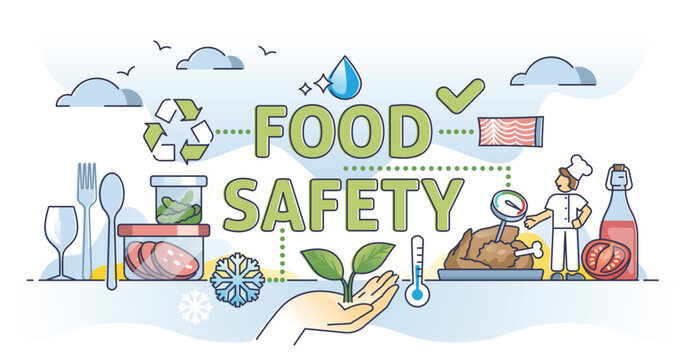
Food safety
Food safety encompasses the practices, standards, and regulatory systems that prevent foodborne disease and ensure that food is safe and suitable for consumption across the entire supply chain. It integrates risk assessment, good hygiene practices, hazard-based controls such as HACCP, and legal frameworks, with participation from international bodies, national authorities, industry, and consumers.

Lyme Disease
Lyme disease is a bacterial infection transmitted to humans through the bite of infected blacklegged ticks, characterized by symptoms such as fever, headache, fatigue, and a distinctive skin rash called erythema migrans. If untreated, it can lead to severe complications affecting the joints, heart, and nervous system.

Microplastics
Microplastics are small plastic particles less than 5 millimeters in size, originating from various sources and found in diverse environments, including oceans, freshwater systems, and the atmosphere. Their pervasive presence raises concerns about potential impacts on ecosystems and human health.

Toilet
A toilet is a sanitation fixture designed to receive and convey human excreta for safe containment, treatment, or disposal. Toilets range from water-flushed systems connected to sewers to dry on-site options used where water or sewers are unavailable. Their design, regulation, and public-health significance are central to modern sanitation and water management.