Social Sciences

Anthropology
Anthropology is the comparative study of humans across time and space, encompassing human biology and evolution, culture and society, language, and material remains. In the United States it is commonly organized into four major subfields—cultural/social anthropology, archaeology, biological (physical) anthropology, and linguistic anthropology—reflecting a holistic approach to the 'science of humanity.'

Archaeology
Archaeology is the scientific study of material remains from past human life and activities, encompassing artifacts, structures, and biofacts to understand historical and prehistoric cultures.
:max_bytes(150000):strip_icc()/behavioraleconomics.asp-final-10e6085b26754eea8b50bc54882a1b8a.png)
Behavioral Economics
Behavioral economics is a subfield of economics that integrates insights from psychology to explain how individuals make economic decisions, often deviating from the rational‑agent model. It examines cognitive biases, heuristics, and social influences that shape market outcomes.
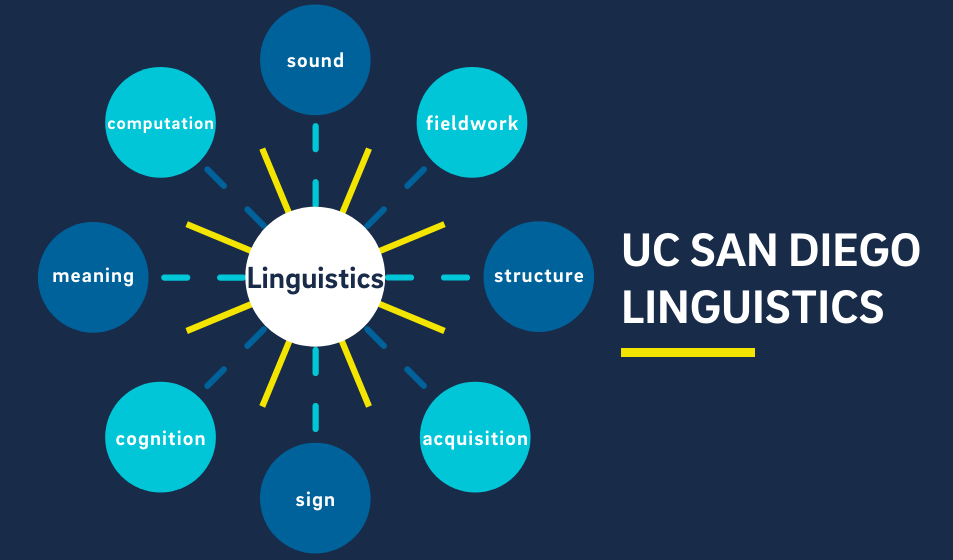
Linguistics
Linguistics is the scientific study of language, encompassing its structure, use, and evolution. It examines the components of language, including sounds, words, sentences, and meaning, as well as the social, cultural, and psychological factors influencing communication.