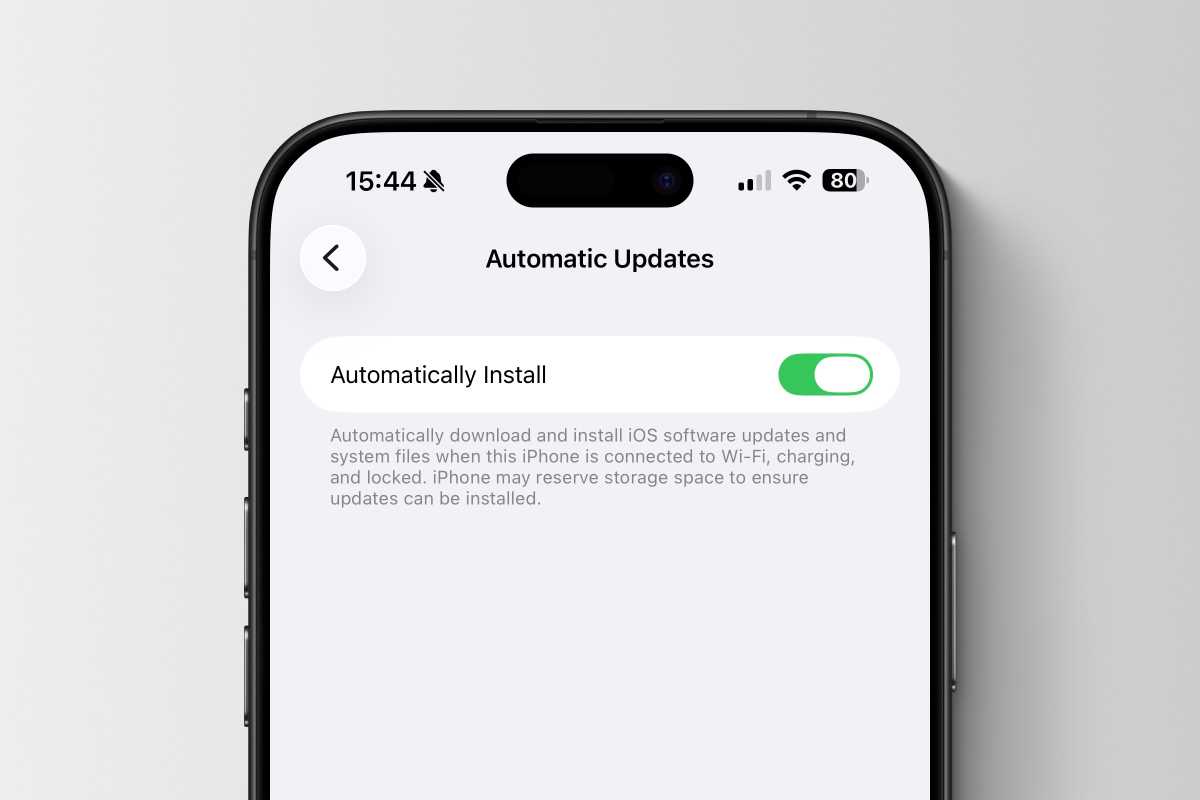
Overview
iOS is a mobile operating system created by Apple Inc. for the iPhone, first released to consumers on June 29, 2007, alongside the original handset; it was initially branded “iPhone OS” and later renamed “iOS” in 2010. The system is derived from Apple’s Darwin foundation and uses the XNU hybrid kernel, employing a layered architecture with application frameworks (UIKit/SwiftUI), media, core services, and a core OS layer. iOS combines a proprietary license with selected open‑source components and emphasizes code signing, sandboxing, and hardware‑backed protections. Apple Newsroom;
Apple Developer;
Apple Developer (Kernel/Darwin overview);
Wikipedia – iOS version history. (
apple.com)
Origins and naming
Apple previewed iPhone OS in early 2007 and began sales of the first iPhone on June 29, 2007, positioning the device as a multitouch phone, media player, and Internet communicator. In June 2010, Apple rebranded the platform as “iOS” with iOS 4. Apple Newsroom;
Apple Newsroom;
MacRumors;
Wired. (
apple.com)
Architecture and security
iOS inherits its core from Darwin (BSD/Mach) and exposes a layered model: Cocoa Touch (including UIKit) and SwiftUI at the top, followed by Media and Core Services, down to Core OS. Apple enforces mandatory code signing and app sandboxing, and relies on hardware features such as the Secure Enclave for key management and biometrics (Touch ID/Face ID). Apple Developer (Cocoa/Cocoa Touch overview);
Apple Support – Secure Enclave;
Apple Developer – Security. (
developer.apple.com)
App distribution and the App Store
Native third‑party apps arrived in 2008 alongside the App Store, which launched with roughly 500–552 applications and quickly scaled to thousands of titles and hundreds of millions of downloads within months. Apple’s App Store policies and review process govern distribution outside the European Union; in the EU, compliance with the Digital Markets Act introduced alternative app marketplaces, web distribution (with notarization), and options for alternative payment processing from iOS 17.4 onward. Apple Newsroom;
Wired;
Apple Support – EU alternative app distribution. (
apple.com)
Platform features and services
Key platform milestones include:
- –2011: the debut of Siri, Apple’s voice assistant, integrated with iOS 5 on iPhone 4S.
Apple Newsroom. (
- –2019: introduction of iPadOS as a distinct variant tailored to larger screens and multitasking, while retaining a common foundation with iOS.
- –2024: iOS 18 previewed with Home Screen and Control Center customization, a redesigned Photos app, and Apple Intelligence (systemwide writing tools and image capabilities).
MacRumors. (
- –2024–2025: RCS messaging support added to Messages for cross‑platform chats (carrier‑provided service), requiring iOS 18 and supported carriers; Apple documents how to enable RCS and explains differences among iMessage, RCS, and SMS/MMS.
Apple Support;
Development model and tools
iOS apps are developed primarily with Xcode using Swift or Objective‑C, targeting frameworks such as UIKit and SwiftUI. Swift—open‑sourced in 2015—is designed for safety and performance and interoperates with C/C++. Declarative UI development is available via SwiftUI across Apple platforms. Swift.org – About Swift;
Apple Developer – SwiftUI;
Wikipedia – Swift (programming language). (
swift.org)
Market presence
iOS and Android dominate global smartphone platforms. StatCounter’s global mobile OS share for October 2025 shows Android at roughly 72.6% and iOS near 27.0%, while iOS leads in the United States. StatCounter Global Stats. (
gs.statcounter.com)
Regulation and the European Union’s DMA
To comply with the EU’s Digital Markets Act (Digital Markets Act), Apple introduced changes beginning with iOS 17.4 for EU users: alternative app marketplaces with notarization, the ability to use alternative browser engines via entitlements, and web distribution for apps, alongside revised business terms and fees. Apple documents technical and policy requirements, while industry reporting has tracked iterative adjustments and developer responses. Apple Support – EU alternative app distribution;
Apple Developer – Alternative browser engines;
MacRumors. (
support.apple.com)
Version highlights (selected)
- –2008: App Store launches for native apps on iPhone OS 2.
Wired;
- –2010: iPhone OS rebranded as iOS with iOS 4.
- –2011: Siri ships with iPhone 4S and iOS 5.
- –2019: iPad software split into iPadOS.
- –2024: iOS 18 introduces major customization, Apple Intelligence features, and a redesigned Photos app; RCS support follows within iOS 18 cycle.