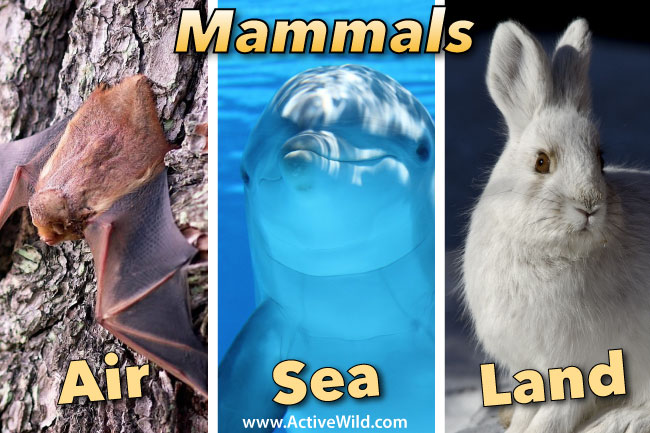
Class Mammalia; endothermic vertebrates; diagnostic traits include hair, mammary glands producing milk, three middle ear ossicles (malleus, incus, stapes), a dentary‑squamosal jaw joint, and a muscular diaphragm that ventilates lungs. Global distribution across terrestrial, aerial, and marine habitats. Major extant groups: monotremes (egg‑laying), marsupials, and placentals Britannica.
Definition and Diagnostic Traits
Mammals are vertebrates whose young are nourished by milk from mammary glands; other defining features include hair (often reduced in cetaceans), three middle ear bones, a lower jaw composed solely of the dentary articulating with the squamosal, a diaphragm, and endothermy supported by a four-chambered heart Britannica
Britannica
Britannica.
Taxonomy and Diversity
Mammalia comprises three principal lineages: Prototheria (Monotremata), Metatheria (marsupials), and Eutheria (placental mammals). Placentals include orders such as Rodentia, Chiroptera, Primates, Carnivora, Cetacea, Artiodactyla, Perissodactyla, Lagomorpha, Xenarthra, and others; marsupials comprise Didelphimorphia, Diprotodontia, and additional orders; monotremes include Tachyglossa (echidnas) and Platypoda (platypus) Britannica – Classification. The Mammal Diversity Database reports approximately 6,871 total species (6,741 living wild) in its current tally, reflecting ongoing taxonomic revision and discovery
Mammal Diversity Database.
Anatomy and Physiology
Mammalian form and function are characterized by keratinous hair and skin glands, heterodont dentition adapted to diet, a four-chambered heart, and lungs ventilated by a diaphragm. Sensory and neural traits include a well‑developed neocortex and complex endocrine regulation. Endothermy allows stable internal temperatures across a wide range of environments Britannica – Form and function
Britannica – Endothermy.
Dentition and Feeding
Mammals typically exhibit heterodont dentition (incisors, canines, premolars, molars) with diverse specializations among carnivores, herbivores, and omnivores, enabling exploitation of varied food resources Britannica – Form and function.
Reproduction and Development
Reproductive strategies range from egg‑laying in monotremes to short‑gestation, extended lactation in marsupials and longer gestation with placental support in eutherians. Elephants have the longest mammalian gestation, approaching 22 months National Geographic. Lactation and parental care are central to mammalian life history
Britannica.
Evolutionary History
Mammals evolved from synapsid amniotes, specifically therapsids, with key transitions in cynodonts leading to the mammalian jaw joint and ear. In mammals, the articular and quadrate jaw bones were repurposed as the malleus and incus of the middle ear, while the dentary formed the sole lower jaw and articulated with the squamosal; these changes are central criteria for identifying early mammals in the fossil record UCMP Berkeley
Britannica. Fossil evidence places early mammaliaforms in the Late Triassic, with definitive crown‑group mammals by the Jurassic and extensive Cenozoic diversification
Britannica.
Ecology and Behavior
Mammals occupy nearly all major habitats, including oceans (cetaceans, sirenians), aerial niches (bats), deserts, forests, and polar regions, aided by thermoregulatory capacity and behavioral flexibility. Social systems range from solitary to complex multi‑level societies; communication includes acoustic, visual, and chemical signals Britannica
Britannica – Form and function.
Size Extremes and Notable Records
The blue whale is the largest living animal, reaching about 110 ft and more than 330,000 lb, with Antarctic individuals being the largest NOAA Fisheries. By mass, the smallest mammals include Kitti’s hog‑nosed bat (bumblebee bat) at roughly 2 grams; by length, the Etruscan shrew has a head‑and‑body length of about 4 cm
Britannica
Britannica – Diversity.
Conservation and Status
Mammalian biodiversity is dynamic, with ongoing species descriptions and taxonomic refinements recorded by the Mammal Diversity Database (currently ~6,871 species total). Conservation assessments on the IUCN Red List track extinction risk across mammal lineages, informing policy and management; many large mammals face threats from habitat loss, exploitation, and climate change Mammal Diversity Database
IUCN Red List.