The Paul-Ehrlich-Institut (PEI) is Germany’s federal authority for vaccines and biomedicines, reporting to the [Federal Ministry of Health (Germany)], with headquarters in Langen near Frankfurt. Its remit includes scientific research, assessment, and marketing authorisation of biomedicines for human use, immunological veterinary medicinal products, authorisation of clinical trials, pharmacovigilance, scientific advice, and official batch control; the institute employs roughly 900 staff. These functions are set out on the institute’s profile and duties pages and are reflected in the Ministry’s overview of subordinate federal agencies (Paul-Ehrlich-Institut – Institute overview;
Official duties;
BMG profile of PEI). (
pei.de)
History
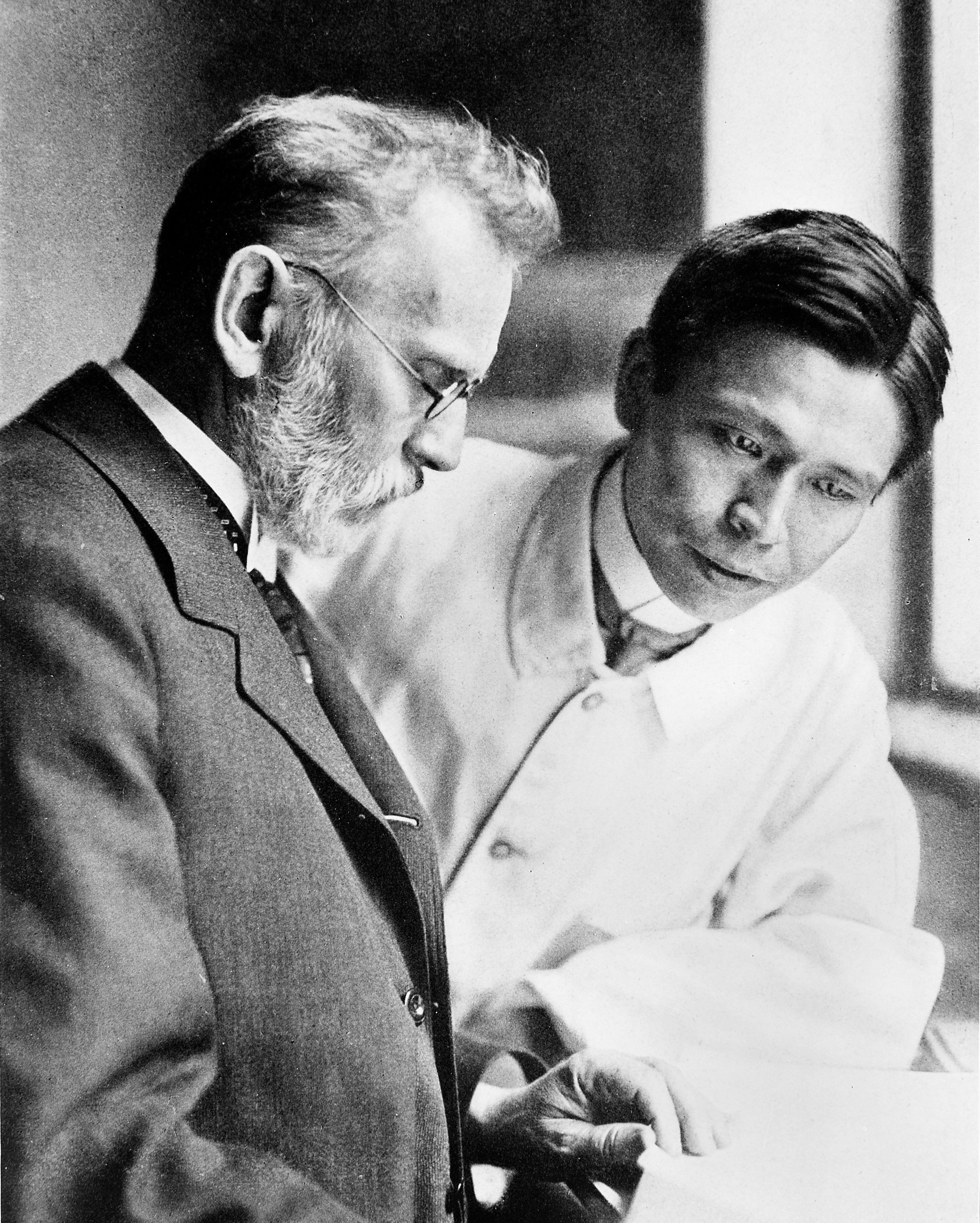
- –Founding and early development: The institute originated in 1896 as the “Institute for Serum Research and Serum Testing” in Steglitz near Berlin under the directorship of Paul Ehrlich; in 1899 it relocated to Frankfurt am Main as the Royal Institute for Experimental Therapy. A 1947 reorganisation formally adopted the name “Paul-Ehrlich-Institut, State Authority for Experimental Therapy.” These milestones are documented in the PEI’s official chronology (
History of the Paul-Ehrlich-Institut – Chronology). (
- –Federal authority: On November 1, 1972, the institute became an independent senior federal authority via the Act Establishing a Senior Federal Authority for Sera and Vaccines; the history page notes partial relocation to Langen in 1987 and the inauguration of the Langen site in 1990 (
- –Modern designation: In 2009, following amendments to medicines law, the authority’s functional designation was updated from “Federal Office for Sera and Vaccines” to “Federal Institute for Vaccines and Biomedicines” to reflect its broader biomedical remit (
Mandate and product scope
PEI’s legal responsibilities cover specific groups of medicinal products as defined in Section 77 of the German Medicinal Products Act (Arzneimittelgesetz, AMG): human vaccines and sera, blood products, tissues and tissue preparations, allergens, Advanced therapy medicinal products (gene therapy, somatic cell therapy, and tissue‑engineered products), xenogenic medicinal products, and genetically engineered blood components, as well as immunological veterinary medicinal products (Official duties). For medicines outside this remit, the competent federal authority is the Federal Institute for Drugs and Medical Devices (BfArM), as stated in PEI’s clinical‑trials contact information (
Contact point for clinical trials – remit explanation). (
pei.de)
Regulatory processes and EU/International role
PEI authorises clinical trials in its product areas, evaluates marketing authorisation dossiers (including via EU procedures), performs pharmacovigilance, provides scientific advice, and undertakes official inspections. The institute serves as a national expert body within the European medicines network coordinated by the European Medicines Agency, and it provides advice to international organisations including the World Health Organization, the European Commission, and the Council of Europe, as described in PEI’s institute profile (Institute overview). (
pei.de)
Official batch control (OCABR) and OMCL functions
A core function is official batch release of biologicals subject to state control (e.g., human vaccines, blood‑derived products, immunoglobulins, and certain allergens). Under Section 32 AMG, batches must be examined and released prior to marketing in Germany. PEI acts as an Official Medicines Control Laboratory (OMCL) within the EU/EEA network coordinated by the Council of Europe’s EDQM; OCABR certificates are mutually recognised across the network (PEI – Batch testing FAQ;
EDQM – OCABR Q&A;
EDQM – Human OCABR guidelines). (
pei.de)
WHO Collaborating Centres and reference roles
PEI hosts two WHO Collaborating Centres: (1) the Collaborating Centre for Quality Assurance of Blood Products and In Vitro Diagnostic Devices, redesignated for the 2025–2029 term; and (2) the Collaborating Centre for Standardization and Evaluation of Vaccines, redesignated from August 27, 2025. These roles underscore PEI’s international standard‑setting and reference‑material work in transfusion medicine and vaccinology (WHO CC blood/IVD redesignation news;
WHO CC for vaccines redesignation news). (
pei.de)
EU Reference Laboratory for high‑risk IVDs
On December 5, 2023, the European Commission designated PEI as an EU Reference Laboratory (EURL) for two high‑risk (class D) diagnostic categories—hepatitis/retroviruses and highly pathogenic respiratory viruses—under the EU In Vitro Diagnostic Regulation (EU) 2017/746; the laboratory began operations on October 1, 2024 (PEI press release on EURL designation;
EURL for IVDs at PEI – scope and tasks). (
pei.de)
Pandemic preparedness and ZEPAI
In 2021 PEI launched the Center for Pandemic Vaccines and Therapeutics (Zentrum für Pandemie‑Impfstoffe und ‑Therapeutika, ZEPAI) to strengthen pandemic readiness and supply‑chain resilience across the vaccine life cycle in Germany. The announcement noted PEI’s combined regulatory and research expertise, its advisory support for developers, and its role in official batch release and post‑authorisation safety surveillance—a remit that proved central during the COVID-19 pandemic (ZEPAI launch press release;
Biennial report 2019–2020 – COVID‑19 activities). (
pei.de)
Legal and procedural developments
The 2024 Medical Research Act (Medizinforschungsgesetz, MFG) entered into force on October 30, 2024, streamlining German procedures for clinical trials and authorisation processes; PEI and BfArM jointly implement key measures, including harmonised advice and digital portals for applicants (Medical Research Act – PEI/BfArM implementation (EN);
Bundestag press summary of adoption;
BMG press release on the Act;
BfArM – MFG implementation page). (
pei.de)
Leadership and organisation
Federal Health Minister Karl Lauterbach appointed Professor Stefan Vieths as PEI President with effect from January 1, 2025, following his tenure as acting head in 2024 and previously as vice‑president; the institute notes his long‑standing expert roles at the European Medicines Agency and the European Pharmacopoeia Commission (PEI press release – appointment of Stefan Vieths;
Transition announcement – 2023). (
pei.de)
Facilities and new building
PEI’s headquarters address is Paul‑Ehrlich‑Straße 51–59, 63225 Langen, Germany. A multi‑year campus renewal is underway directly opposite the current site, with planning led by Germany’s federal real‑estate agency (BImA) and project milestones updated through 2025 (PEI contact page;
New building – overview and milestones). (
pei.de)