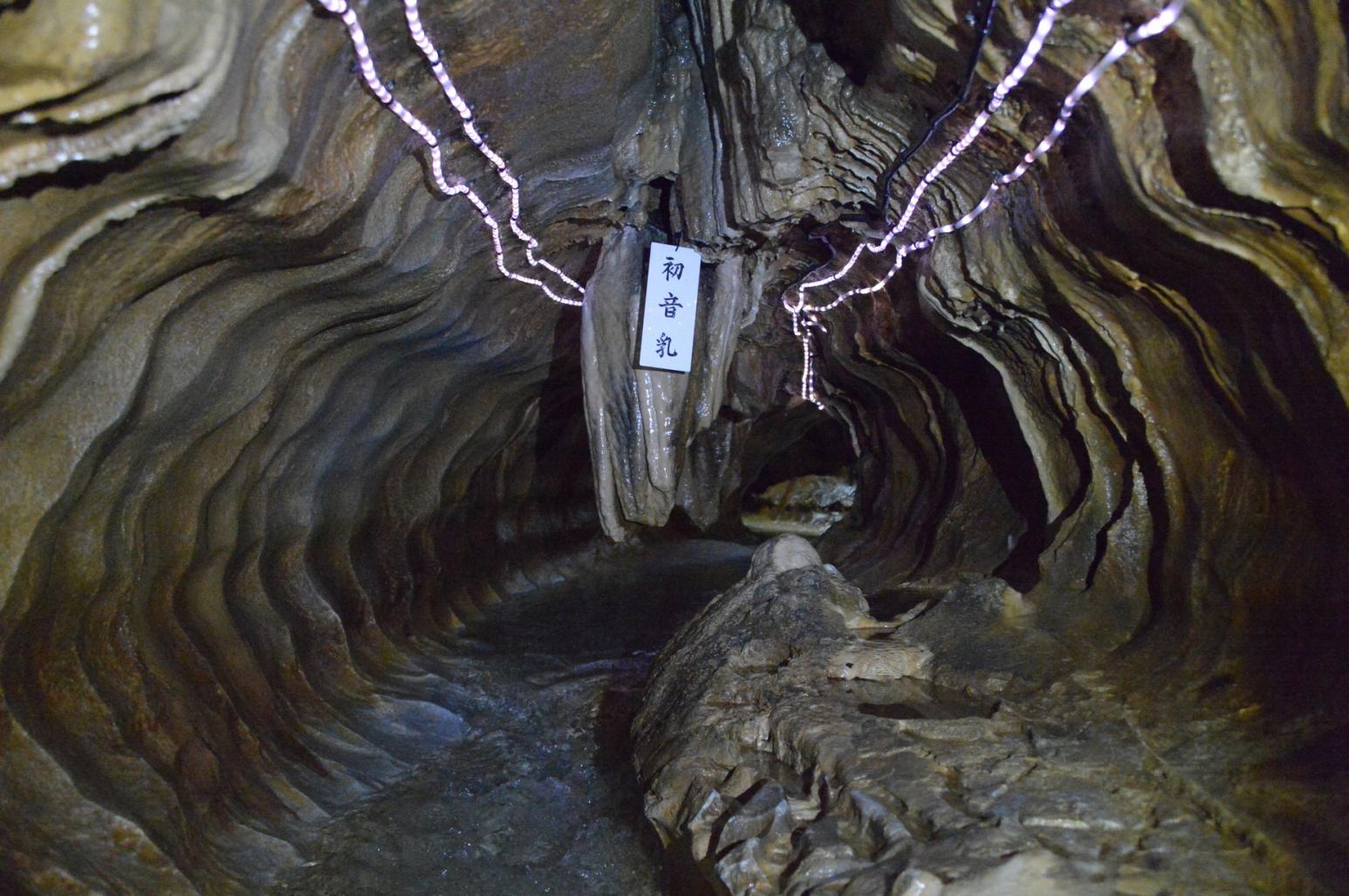
Limestone caves are solutional caves that form where groundwater, made acidic mainly by dissolved carbon dioxide, enlarges fractures and bedding planes in limestone and related carbonate rocks to produce subsurface voids, passages, and chambers that typify Karst terrains. According to the National Park Service and Encyclopaedia Britannica, most large caves on Earth are of this type, with dissolution focused along pre‑existing rock weaknesses and near the water table where flow and chemical aggressiveness are greatest (National Park Service;
Britannica). (
nps.gov)
Formation and geologic setting
- –Host rocks and chemistry. Limestone consists mostly of the mineral calcite (CaCO3) and dissolves in carbonic acid formed when water (H2O) combines with CO2 from soil and air to make H2CO3; this acid reacts with calcite to produce soluble bicarbonate, enabling rock removal in solution (
National Park Service;
Britannica). Equation as summarized by the NPS: H2O + CO2 → H2CO3; CaCO3 + H2CO3 → Ca2+ + 2HCO3− (
- –Zones of development. Dissolution begins in the aerated vadose zone beneath soils enriched in CO2 and is most effective at or just below the water table (the phreatic zone), where many conduits and cave levels originate (
- –Cave patterns. Groundwater flow routes that capture increasing discharge enlarge preferentially, producing characteristic network or branchwork patterns; maze caves form where many competing paths enlarge at similar rates or where undersaturated waters are renewed, as described in Palmer’s synthesis of speleogenesis ([GSA Bulletin, Palmer 1991](journal://GSA Bulletin|Origin and Morphology of Limestone Caves|1991);
USF Karst Information Portal). (
- –Hypogenic exceptions. Some famous limestone caves formed primarily by sulfuric‑acid dissolution from rising waters; Carlsbad Caverns preserves gypsum byproducts of this process even though later calcite speleothems formed by carbonic‑acid waters (
U.S. Geological Survey). (
Morphology and internal features
- –Passages and levels. Many limestone caves display multi‑level passage systems tied to former positions of the regional water table and to stratigraphic controls in layered carbonate formations (
- –Speleothems. Secondary mineral deposits—collectively Speleothems—include stalactites, stalagmites, flowstone, columns, and helictites; they precipitate chiefly as calcite when drip or film waters lose CO2 or evaporate, with morphology controlled by dripping, seeping, or flowing water (
- –Surface karst forms. Where cave roofs approach the surface, collapse produces sinkholes; broader karst landscapes show sinkholes, disappearing streams, and underground drainage typical of soluble rock terrains (
Distribution and notable examples
- –Global occurrence. Limestone caves are widespread in carbonate terranes on most continents, forming in settings with jointed limestone near the surface, adequate recharge, and active groundwater circulation (
- –Mammoth Cave, Kentucky. The Mammoth Cave system is the world’s longest known cave, with 676 km (420 mi) surveyed to date, developed in Mississippian‑age limestones beneath protective sandstones; development is tied to Green River base‑level changes (
- –Škocjan Caves, Slovenia. This karst system includes one of the largest underground river canyons and extensive limestone passages, inscribed as a UNESCO World Heritage Site for its outstanding karst features and scientific value (
UNESCO World Heritage Centre). (
- –Carlsbad Caverns, New Mexico. Although primarily hypogenic in origin via sulfuric acid, it hosts classic calcite speleothems deposited from meteoric waters after roof collapse created an opening; it remains a key reference for limestone cave mineralogy (
Hydrology and karst aquifers
- –Aquifer behavior. Karst aquifers consist of a dual permeability system where conduits, fractures, and a low‑permeability matrix interact; they are highly productive groundwater sources but extremely vulnerable to contamination due to rapid, often turbulent conduit flow (
EPA—HRS Guidance). In the United States, about 40% of the groundwater used for drinking comes from karst aquifers, and roughly one‑fifth of U.S. land area overlies karst terrain (
- –Monitoring and sampling. Because storm events can deliver contaminants quickly through sinkholes and sinking streams to springs and wells, EPA guidance emphasizes specialized strategies for karst, including event‑based or passive sampling to obtain representative water‑quality data in these systems (
EPA—Groundwater sampling in karst terranes). (
Ecology and life zones
- –Energy sources. Subterranean ecosystems depend on organic matter washed in from the surface and on microbial production, with food webs that include microbes, detritivores, and predators such as cave fish and crayfish; in Mammoth Cave, for example, nutrients are introduced by percolating waters and by animals that commute between surface and cave (
- –Ecological classifications. Cave biota are commonly grouped as trogloxenes (surface feeders that roost or shelter in caves), troglophiles (able to live inside or outside), and troglobites (obligate cave dwellers with adaptations such as depigmentation and eye reduction); the endangered Kentucky cave shrimp is a troglobite example from Mammoth Cave National Park (
Stratigraphy and local controls
- –Lithologic and structural controls. In classic Kentucky karst, cave development concentrates in Mississippian limestone formations (e.g., St. Louis, Ste. Genevieve, Girkin) overlain by shale and sandstone caprocks (e.g., Big Clifty) that influence recharge, passage dryness, and collapse susceptibility (
Human use, hazards, and conservation
- –Heritage and science. Many limestone caves are protected for their geologic and ecological value, including World Heritage properties such as the Škocjan Caves, a reference area for karst studies in the “Classical Karst” region of Slovenia (
- –Vulnerability and management. Because conduit flow affords little natural filtration, karst drinking‑water sources are susceptible to rapid contamination from surface inputs, prompting targeted protection, monitoring, and remediation approaches in regulatory programs (
Research history and methods
- –Speleology. The scientific study of caves—Speleology—draws on hydrogeology, geochemistry, and geomorphology to interpret cave origin, chronology, and patterns; classic works summarize how recharge type, flow regime, and chemical kinetics govern passage size and morphology ([GSA Bulletin, Palmer 1991](journal://GSA Bulletin|Origin and Morphology of Limestone Caves|1991);
Materials and precipitation processes
- –Mineralogy. Although calcite dominates limestone cave speleothems, other minerals (e.g., gypsum, halite, opal) occur under specific geochemical conditions; deposition depends on CO2 degassing or evaporation in air‑filled cavities supplied by dripping or seeping waters (
Chronology and rates
- –Timescales. Enlargement from microscopic fissures to human‑passable passages typically requires tens to hundreds of thousands of years, with rates limited by chemical kinetics and controlled by temperature, CO2 supply, fracture apertures, and discharge, as inferred from speleogenetic modeling and field studies ([GSA Bulletin, Palmer 1991](journal://GSA Bulletin|Origin and Morphology of Limestone Caves|1991)). (
Related surface–subsurface interactions
- –Landscape evolution. Karst landscapes evolve through the coupling of surface denudation, sinkhole development, and subsurface conduit growth; the coevolution of valleys, springs, and cave levels reflects changing base levels and climatic controls, well illustrated by the Mammoth Cave–Green River system (
Sources used in this article also include the textbook treatment of karst hydrogeology and geomorphology for broader context (book://Derek Ford|Karst Hydrogeology and Geomorphology|Wiley|2007).