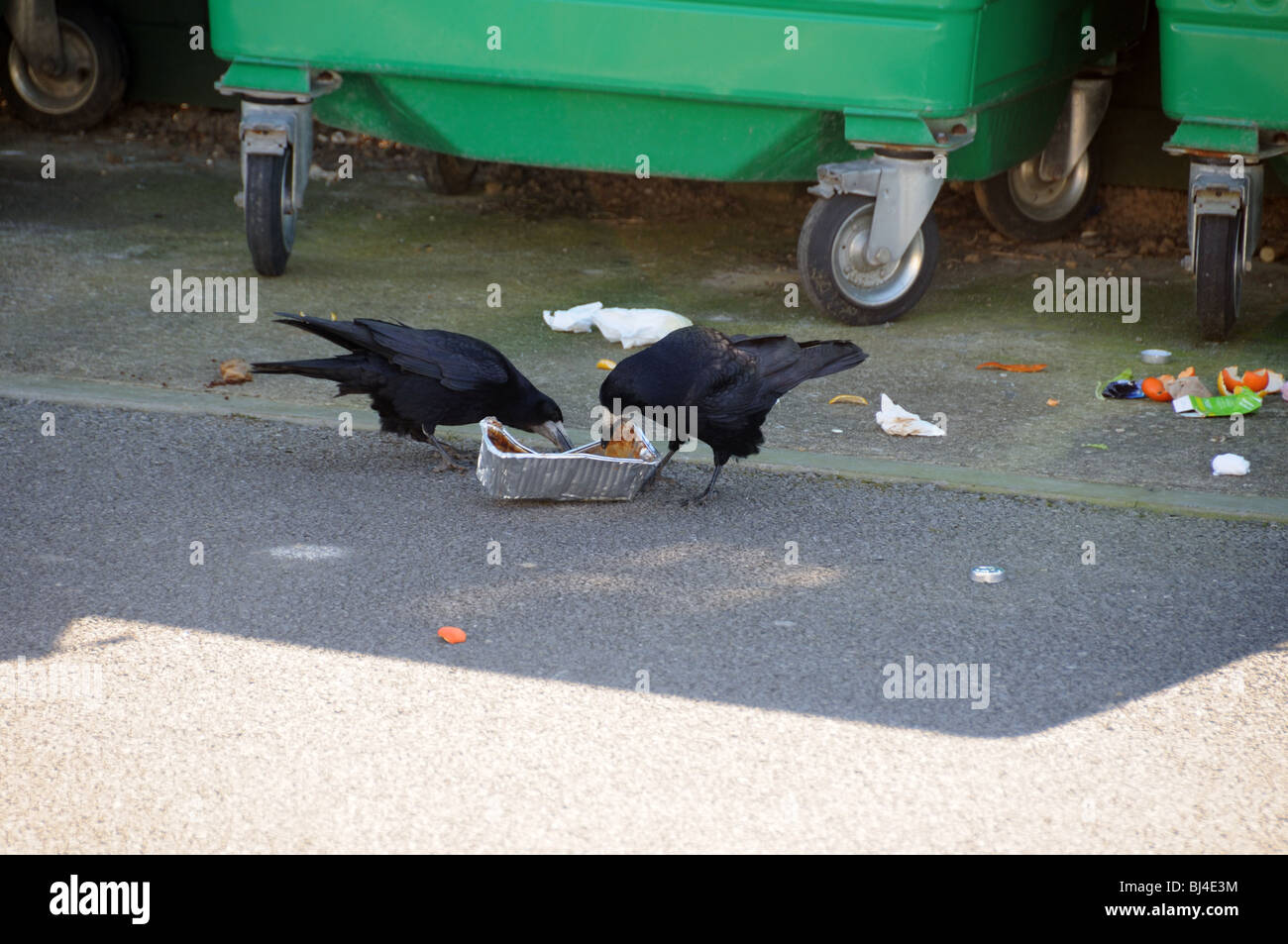
Scavenging is the consumption of dead organic matter, especially animal carrion, by a variety of obligate and facultative species. It plays a critical role in nutrient cycling, pathogen control, and human waste management.
Definition and Types
Scavengers range from obligate specialists such as vultures, which rely almost entirely on carrion, to facultative consumers including many birds, mammals, insects, and beetles that supplement other diets with dead matter Britannica.
Ecosystem Services
By rapidly removing carcasses, scavengers limit the growth of putrefactive bacteria and reduce reservoirs for zoonotic diseases PMC – Scavenger‑related disease mitigation. Vultures’ foraging helps prevent outbreaks; declines linked to the veterinary drug diclofenac have been associated with rising feral dog populations and an estimated £10 billion‑per‑year health cost in India
ScienceDirect – Diclofenac and vulture declines.
Physiological Adaptations
Research on vulture stomach acidity shows moderate pH values (≈3.8) that are not as extreme as once thought, suggesting other mechanisms aid pathogen tolerance PMC – Vulture stomach acidity study.
Human Evolutionary Context
The emergence of meat consumption in early hominins coincides with encephalization and stone‑tool use, but a recent quantitative synthesis finds no sustained increase in carnivory after Homo erectus appears, challenging the idea that intensified scavenging drove human evolution PNAS – Early hominin carnivory synthesis. Another review emphasizes the co‑occurrence of meat eating, brain growth, and tool adoption
PMC – Early hominin meat acquisition.
Contemporary Human Scavenging
Informal waste picking, dumpster diving, and agricultural gleaning constitute modern human scavenging. The World Bank projects a 70 % rise in global solid waste by 2050, underscoring the scale of the issue World Bank – Global waste outlook. An estimated 20 million people worldwide earn livelihoods from recycling and waste collection, providing environmental services such as material diversion and greenhouse‑gas reduction
WIEGO – Waste collectors as essential workers.
Facultative Scavenger Contributions
Studies in forest ecosystems demonstrate that facultative scavengers can completely consume carcasses within roughly a week, delivering comparable ecosystem benefits to obligate scavengers Nature – Facultative scavenger ecosystem services.